TL;DR
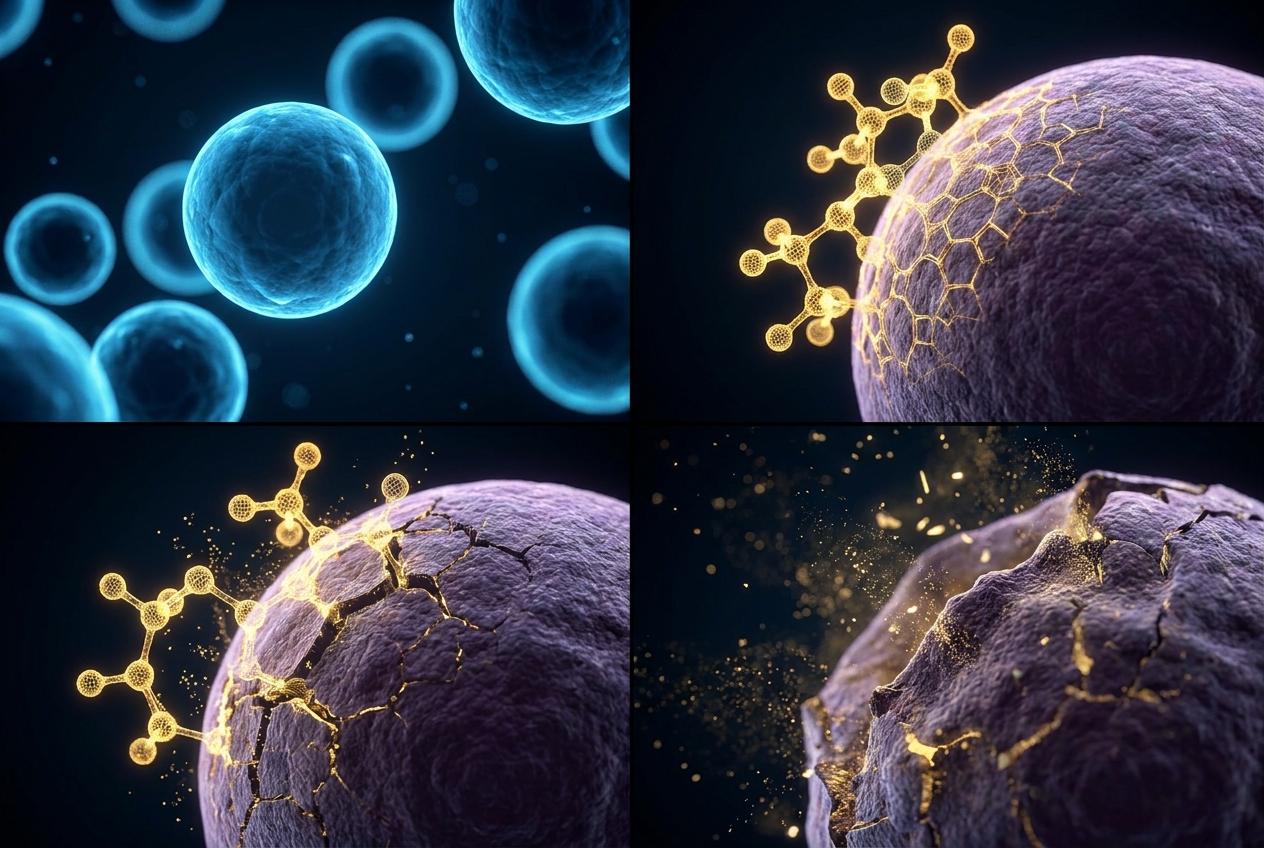
Monolaurin neutralizes specific viruses by physically dissolving their protective lipid membranes. Because this fatty acid extract structurally mimics the lipids found in viral coatings, it inserts itself into the viral envelope, causing the membrane to disintegrate. Research suggests monolaurin may also inhibit viral assembly by upregulating the host cell’s defensive interferon pathways.
Key Takeaways
- Monolaurin specifically targets the protective fatty barrier of enveloped viruses, causing structural collapse.
- Laboratory evidence indicates that monolaurin not only destroys free-floating viruses but may also suppress internal viral replication pathways.
- The compound is highly selective and demonstrates no virucidal activity against non-enveloped viruses.
- Choosing a high-quality monolaurin supplement requires evaluating purity and manufacturing standards without relying on medical cure claims.

When exploring natural compounds for immune balance, monolaurin frequently emerges in scientific discussions. A derivative of lauric acid—a medium-chain fatty acid naturally found in coconut oil and human breast milk—monolaurin has been the subject of microbiological research for decades. While many immune supplements focus on broadly supporting the body’s white blood cells, monolaurin operates through direct biophysical interactions with microscopic threats.
Understanding how monolaurin works against viruses requires looking past broad generalizations and examining the cellular mechanics. Viruses are essentially microscopic packets of genetic material wrapped in a delivery vehicle. The physical structure of that vehicle determines how vulnerable the virus is to specific compounds. By examining the monolaurin mechanism of action, research reveals a highly specific, structural approach to neutralizing certain viral families.
Mechanism 1: Disruption of the Viral Lipid Envelope
To understand the monolaurin antiviral mechanism, it is necessary to examine the physical architecture of a virus. Many common viruses are surrounded by a lipid envelope—a protective outer membrane made of fats and proteins stolen from the host cell. This envelope is essential for the virus to attach to, merge with, and infect human cells.
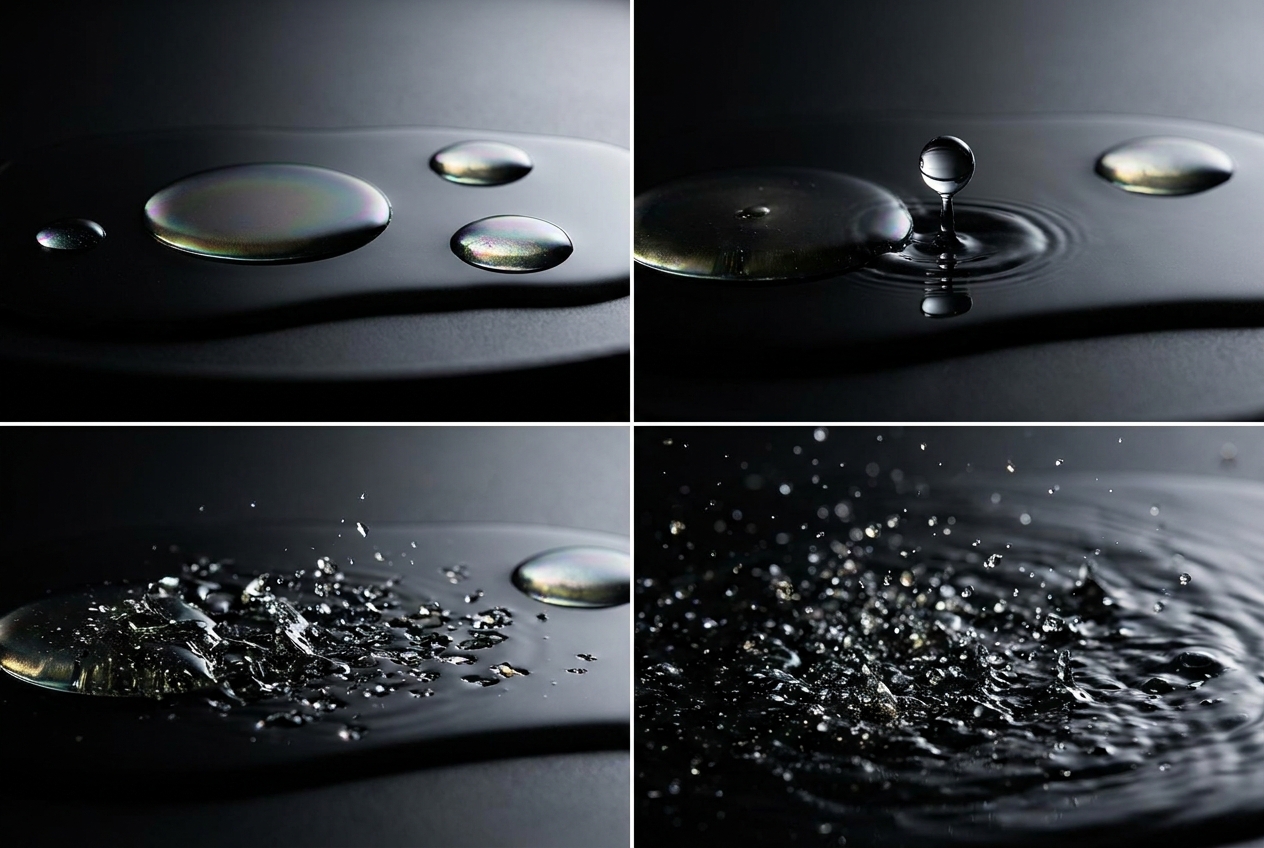
Because monolaurin is an amphiphilic fatty acid ester, it possesses chemical properties that allow it to interact seamlessly with other fats. When monolaurin encounters an enveloped virus, it inserts itself directly into the viral lipid bilayer. You can think of this process like adding detergent to a grease stain; the monolaurin molecules wedge between the structural lipids of the virus, destabilizing the membrane. A foundational in vitro study published in the Journal of Food Safety demonstrated that monolaurin structurally degrades the protective lipid bilayer of enveloped RNA and DNA viruses, reducing their infectivity by greater than 99.9% through direct disintegration of the viral envelope [1]. Once the envelope collapses, the virus can no longer bind to or enter host cells.
Mechanism 2: Inhibition of Viral Replication
Beyond direct structural destruction, emerging evidence suggests monolaurin may influence how cells respond to an infection. A virus survives by hijacking a host cell’s internal machinery to manufacture thousands of copies of itself—a process known as viral replication.
Recent studies indicate that monolaurin may interact with the cellular signaling pathways that govern immune defense. Research published in Frontiers in Immunology found that monolaurin suppresses viral replication and propagation by upregulating host interferon-related pathways, shifting the host cell environment to actively inhibit the viral life cycle and assembly [2]. Interferons are specialized proteins that act as an alarm system, warning neighboring cells to heighten their antiviral defenses. By potentially supporting this cellular alarm system, monolaurin may help create an internal cellular environment that is hostile to viral replication.

Enveloped vs. Non-Enveloped Viruses: The Crucial Difference
The efficacy of monolaurin is not universal. The defining factor that dictates how monolaurin destroys viruses is the physical presence of a lipid envelope.
- Enveloped Viruses: Pathogens that possess a fatty outer layer are highly susceptible to monolaurin lipid envelope disruption. Because their structural integrity relies on this lipid barrier, contact with monolaurin leads to rapid neutralization.
- Non-Enveloped Viruses: Pathogens that lack a lipid membrane are protected by a rigid protein shell called a capsid. Monolaurin cannot penetrate or dissolve these solid protein structures.
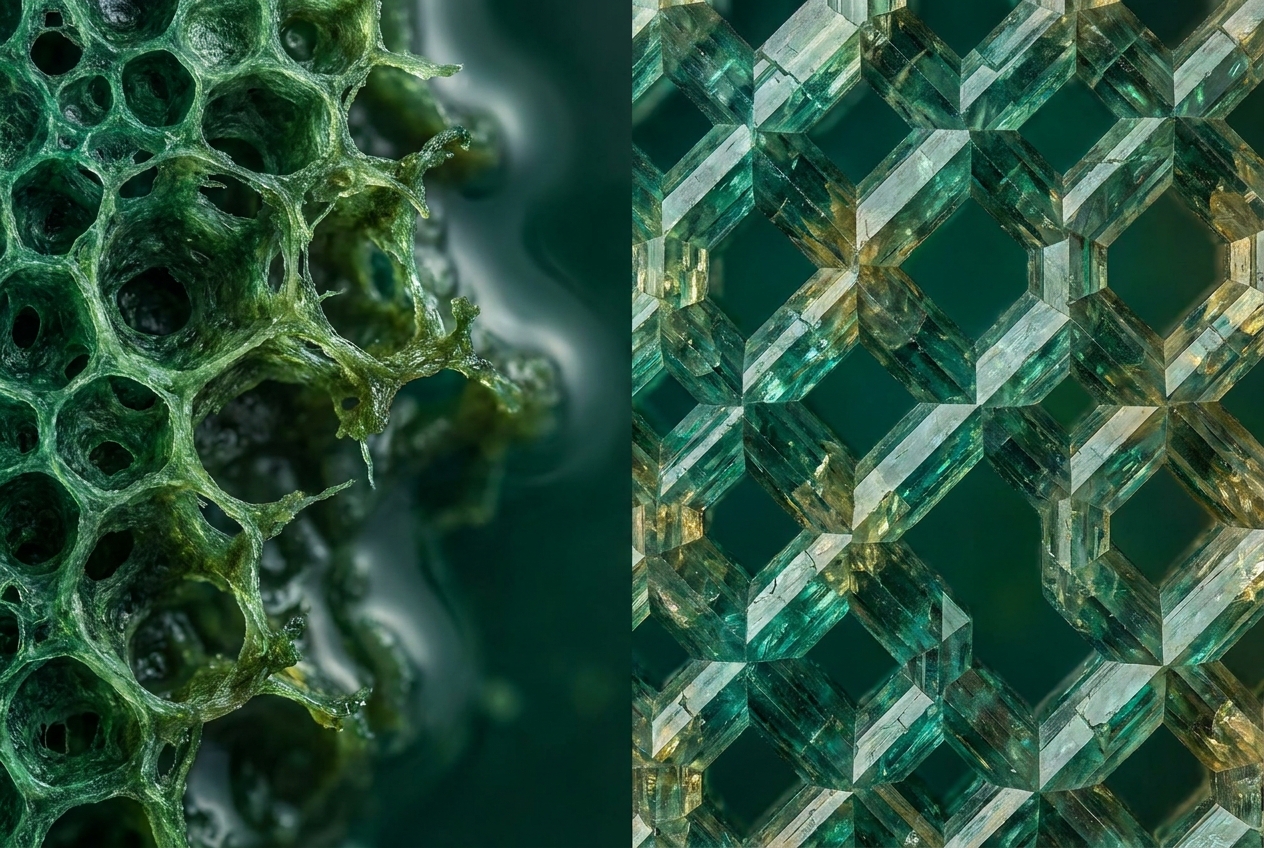
A comprehensive study in mBio confirmed that monolaurin demonstrates potent antiviral activity against multiple enveloped viruses but fails to restrict non-enveloped viruses. Experiments isolating both enveloped and non-enveloped variants of the Hepatitis A virus confirmed that a lipid envelope is an absolute requirement for monolaurin’s virucidal activity [3]. This specificity highlights that monolaurin is a targeted structural agent rather than a universal virucide.
Frequently Asked Questions
Can viruses develop resistance to monolaurin?
Because monolaurin physically dissolves the lipid membrane rather than targeting specific mutating viral proteins, the risk of resistance is considered extremely low. Viruses cannot easily mutate the fundamental physical properties of the host-derived lipids that make up their envelopes.
Does monolaurin work against all types of viruses?
No. Monolaurin is a highly selective compound that requires the presence of a lipid envelope to function. It demonstrates strong in vitro efficacy against enveloped viruses but has no structural mechanism to neutralize non-enveloped viruses protected by solid protein capsids.
How does the body absorb monolaurin?
Monolaurin is absorbed through the digestive tract. Because it is a lipid, its bioavailability and absorption may be enhanced when taken with a meal containing dietary fats, allowing it to enter circulation and support systemic immune balance.
Is monolaurin scientifically proven to cure infections?
No natural supplement, including monolaurin, is medically proven to cure or treat infections. Research on monolaurin primarily consists of in vitro (test tube) and animal studies. While these studies reveal compelling structural mechanisms, monolaurin should be viewed as an educational tool for immune balance and a supportive dietary supplement, not a medical prescription.

Summary
The evidence for monolaurin antiviral effects paints a picture of a precise, biophysical compound. By mirroring the fatty structures that viruses use to protect themselves, monolaurin acts as a structural saboteur, directly dismantling the lipid envelopes required for viral infection. Coupled with emerging research indicating that it may upregulate the host cell’s internal interferon pathways, monolaurin offers a fascinating, multi-layered approach to microbial balance. While it is not a medical cure and relies heavily on the specific architecture of the target virus, its targeted mechanism makes it a compelling option for those seeking evidence-based immune support.
When considering immune support additions, product quality dictates efficacy. A high-quality monolaurin supplement should be formulated for optimal absorption and manufactured without unnecessary fillers. Neutral criteria for evaluating a supplement include seeking pure monolaurin (often listed as glycerol monolaurate), verified third-party testing, and precise milligram dosing that allows users to scale their intake gradually. For those looking to explore carefully formulated options that meet these scientific standards, you can evaluate products directly at shopmonolaurin.com.
References
- Hierholzer & Kabara (1982). In Vitro Effects of Monolaurin Compounds on Enveloped RNA and DNA Viruses. Journal of Food Safety. https://doi.org/10.1111/j.1745-4565.1982.tb00429.x
- Zhao et al. (2021). Monolaurin Confers a Protective Effect Against Porcine Epidemic Diarrhea Virus Infection in Piglets by Regulating the Interferon Pathway. Frontiers in Immunology. https://doi.org/10.3389/fimmu.2021.797476
- Welch et al. (2020). Glycerol Monolaurate, an Analogue to a Factor Secreted by Lactobacillus, Is Virucidal against Enveloped Viruses, Including HIV-1. mBio. https://doi.org/10.1128/mBio.00686-20