TL;DR
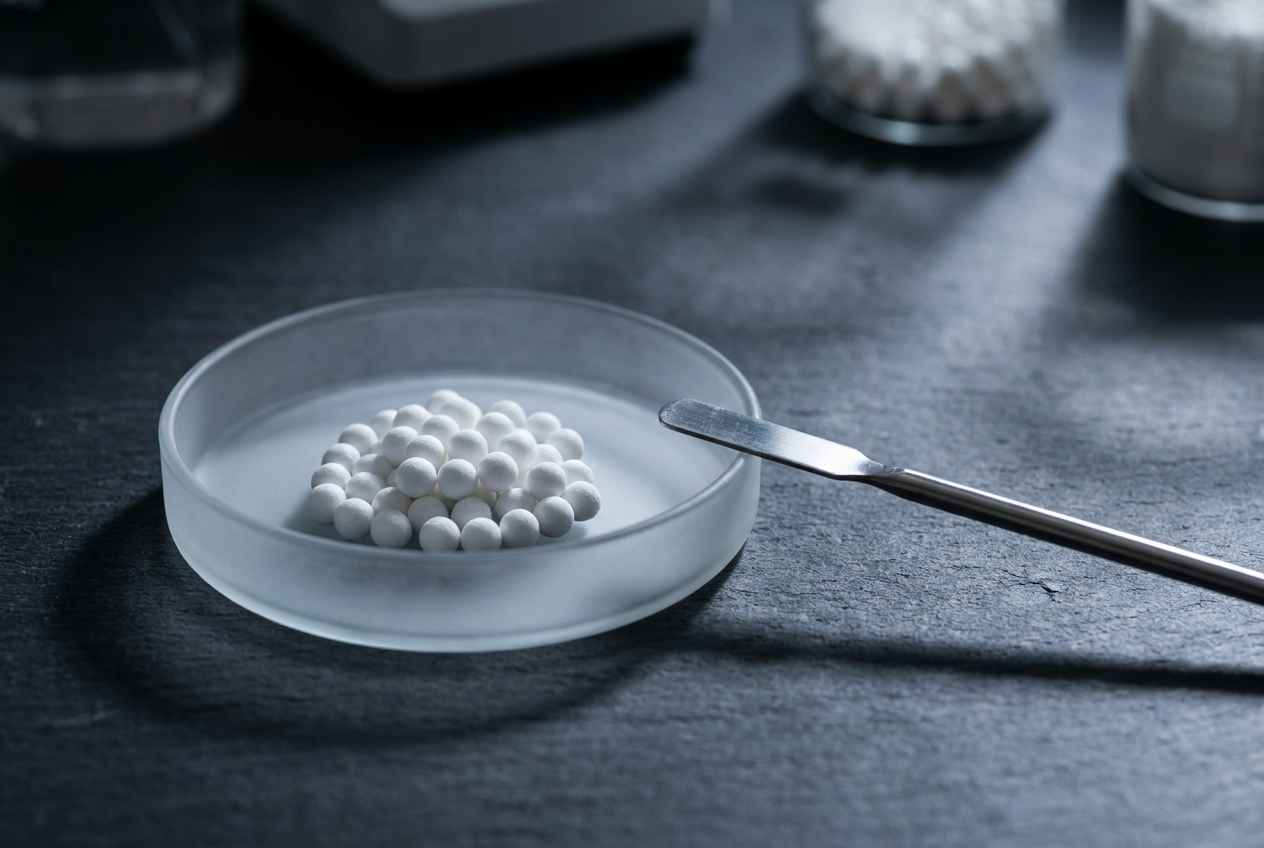
To find the best monolaurin supplement online, prioritize formulations offering pure, standardized glycerol monolaurate (GML) without synthetic flow agents or unnecessary fillers. Research suggests pure monolaurin pellets provide optimal bioavailability by forming a sustained-release matrix in the digestive tract, whereas traditional powdered capsules may cause rapid breakdown and reduce overall immune-supporting efficacy.
Key Takeaways
- Standardization is critical: The lack of regulatory formulation guidelines makes third-party testing essential for verifying pure glycerol monolaurate content.
- Physical form dictates absorption: Compressed monolaurin pellets leverage distinct physical chemistry to create a slow-release matrix, potentially outperforming loose powder capsules.
- Excipients can disrupt efficacy: Flow agents and fillers added to capsule formulations can unpredictably interfere with monolaurin’s natural surfactant properties in the gut.
- Evidence-based evaluation matters: Prioritize transparency, pure ingredients, and scientifically aligned delivery formats when exploring online supplement options.
When exploring the landscape of evidence-based immune support supplements, evaluating the vast array of available options can quickly become overwhelming. Monolaurin, a natural lipid compound derived from lauric acid, has garnered significant interest for its potential to support a healthy microbial environment. However, the market is flooded with varying formulations, making the search for a reliable product a confusing endeavor.
Understanding how to find a high-quality product requires moving beyond marketing claims and looking closely at the underlying science. The physical chemistry of how monolaurin behaves and absorbs inside the body dictates its ultimate efficacy. By approaching supplement evaluation as an analytical, science-based inquiry rather than a standard purchase, consumers can identify the formulations that truly align with human physiological mechanisms.

The Science of Bioavailability and Purity
Before purchasing any health product, the first metric of evaluation must be active ingredient integrity. Monolaurin is the common, simplified name for glycerol monolaurate (GML), and ensuring the purity of this specific compound is paramount to its function.
A 2019 systematic review published in the Journal of Chiropractic Medicine highlighted that there is currently zero peer-reviewed clinical evidence establishing standardized dosing or regulatory formulation guidelines for the oral use of monolaurin as a dietary supplement in humans. Because the commercial market operates without standardized clinical benchmarks, third-party purity testing remains the single most reliable metric for consumers. Evaluating a supplement requires verifying that it contains pure GML rather than relying solely on proprietary blends, untested coconut oil extractions, or unverified label claims.
When standardization is guaranteed, the biological focus must immediately shift to bioavailability—the proportion of the ingested substance that successfully enters circulation to exert an active effect. The journey of any lipid-based compound through the gastrointestinal tract is perilous, and how monolaurin survives this journey depends entirely on its physical delivery format.
The Case for Pellets Over Capsules in Monolaurin: Delivery Mechanisms
The debate between consuming pure monolaurin pellets versus powdered capsules is not merely a matter of manufacturing convenience; it is rooted deeply in advanced physical chemistry. To fully grasp this, it helps to view the digestive tract as a complex, highly reactive chemical environment.
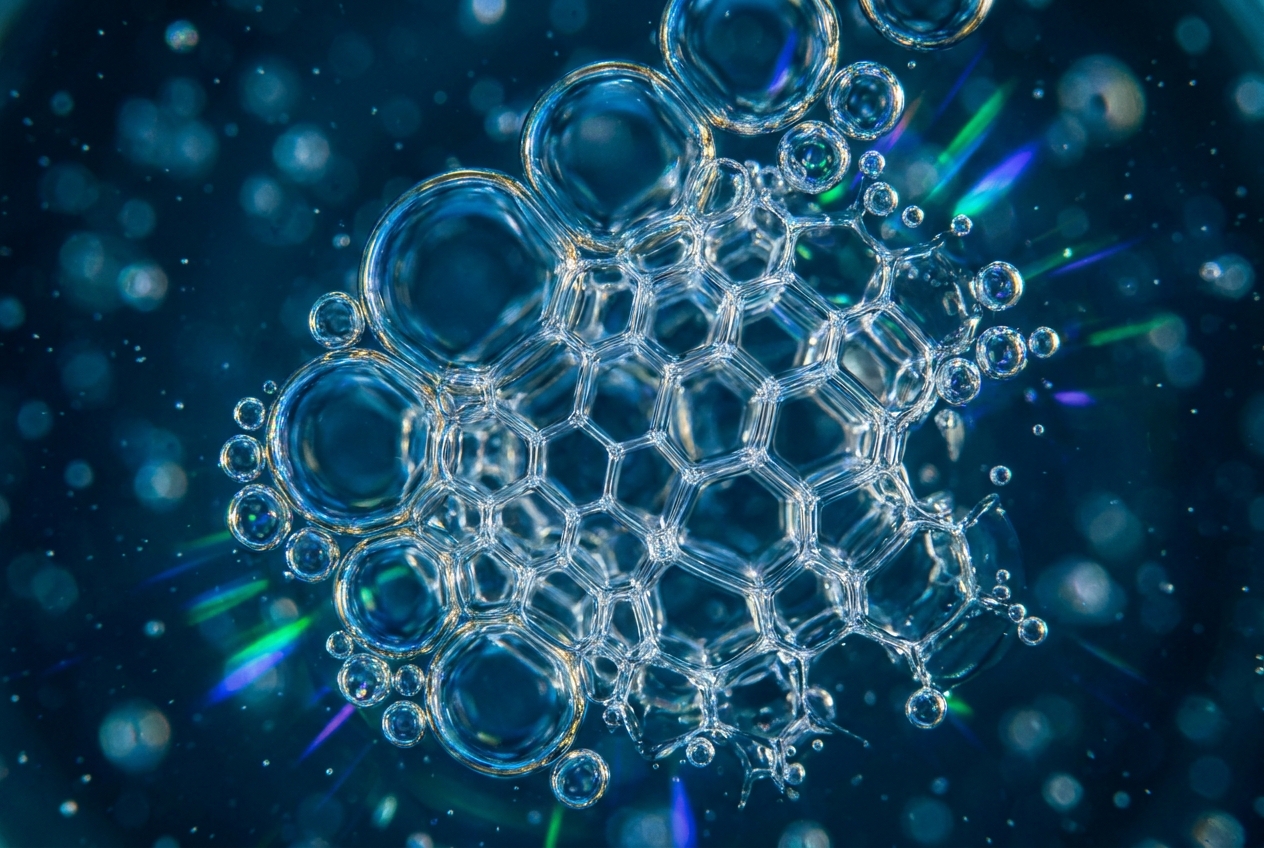
When analyzing monolaurin bioavailability, researchers have uncovered fascinating structural transformations. A 2004 study published in the International Journal of Pharmaceutics found that monolaurin and lauric acid spontaneously form a cubic liquid crystalline phase when exposed to simulated endogenous intestinal fluid. Think of this structure like a dense, microscopic sponge. Instead of dissolving instantly like sugar in water, the lipid molecules arrange themselves into an intricate, slow-dissolving labyrinth. This labyrinth significantly retards physical erosion within the gut.
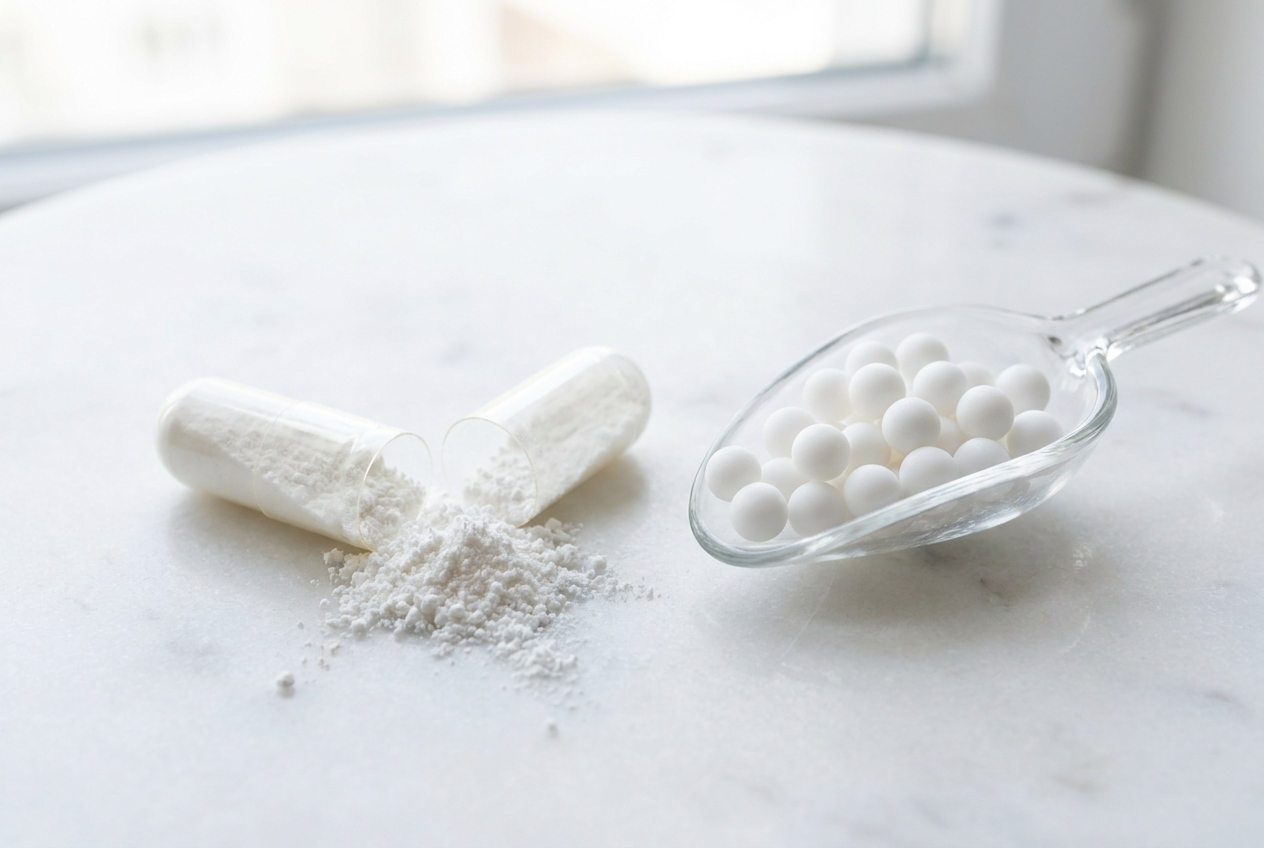
By creating a slow, sustained-release matrix, this liquid crystalline phase prevents the active compound from being rapidly flushed through the system. Pure, tightly compressed monolaurin pellets leverage this exact mechanism, dissolving gradually to maintain a consistent presence in the digestive environment. In contrast, loose monolaurin powder encapsulated in traditional gelatin or cellulose shells may undergo rapid, inefficient “dumping.” Once the capsule shell dissolves, the loose powder can be prematurely dispersed, failing to form the protective, structured cubic phase that ensures steady and sustained absorption.
How Excipients and Additives Impact Monolaurin Absorption
Beyond the physical form of the supplement, the chemical environment inside a capsule plays a crucial role in its effectiveness. During the manufacturing of traditional capsules, excipients like magnesium stearate, silica, and other synthetic flow agents are frequently added to keep powders from clumping and sticking to machinery.
While these additives are generally recognized as safe for consumption, they introduce a problematic variable in the context of lipid-based supplements. Monolaurin inherently acts as a potent surface-active agent, or surfactant. A 2021 study in the journal Molecules demonstrated that surfactants closely related to monolaurin can dictate intestinal absorption rates by up to 50% and double absolute bioavailability. However, the study importantly noted that these pharmacokinetic changes are highly concentration-dependent and profoundly sensitive to the physical state of the delivery matrix.
Because monolaurin relies on precise micelle-forming properties to traverse the intestinal wall, the inclusion of unnecessary capsule excipients can unpredictably interfere with this delicate balance. Magnesium stearate, for instance, acts as a lubricant. By coating the monolaurin powder, it may inadvertently create a hydrophobic (water-repelling) barrier that prevents endogenous fluids from effectively reaching and interacting with the GML. The result is a formulation that looks pristine on the shelf but struggles to perform dynamically within the human gut.
Formulating Your Evaluation Checklist
Armed with a deeper understanding of these biological mechanisms, establishing a reliable evaluation checklist becomes straightforward. To ensure you are investing in a product backed by structural science, apply these criteria when evaluating supplements online:
- Demand Transparency: Seek out brands that provide clear third-party testing to verify GML standardization and purity.
- Examine the Delivery Format: Prioritize tightly compressed, pure pellets that capitalize on natural sustained-release mechanisms over traditional powdered capsules.
- Scrutinize the Ingredient Label: Avoid products listing unnecessary flow agents, synthetic excipients, or proprietary fillers that could interfere with lipid absorption.
For those ready to implement these criteria and find formulations aligned with optimal bioavailability science, evaluating specialized platforms like Shop Monolaurin provides an excellent starting point for informed, evidence-based product selection.

Frequently Asked Questions
What does the optimal monolaurin dosage research reveal?
Currently, there is no universally established clinical consensus on the optimal monolaurin dosage for humans. Scientific literature primarily provides data from in vitro and animal models, so individuals often begin with lower dietary supplement servings—typically one scoop of pellets—and adjust incrementally while monitoring their body’s response.
How does monolaurin absorb in the body?
Monolaurin is a lipid derivative that absorbs through the intestinal lining by interacting with endogenous digestive fluids to form microscopic droplets called micelles. Its absorption efficiency is highly dependent on its physical format, with structurally compressed formats favoring a more sustained release into the system compared to rapidly dissolving loose powders.
Is monolaurin safe scientifically for daily immune support?
While no comprehensive, multi-decade human clinical trials have documented continuous daily usage, monolaurin is generally considered safe. It is naturally derived from lauric acid, a common dietary fat found in coconut oil. However, cyclical dosing is often preferred by those using it for targeted immune support rather than viewing it as a permanent daily multivitamin.
Does the form of monolaurin affect potential die-off reactions?
A sudden release of active compounds from rapidly dissolving capsules could theoretically trigger a faster microbial response, sometimes colloquially referred to as a Herxheimer or die-off reaction. A sustained-release format, like pure pellets, may offer a gentler introduction to the system by extending the absorption window and preventing rapid chemical dumping.
Synthesizing the Research for Better Choices
Navigating the supplement market does not require a background in advanced pharmacology, but it does require a critical, discerning eye. The scientific literature reveals that not all monolaurin products interact with the complex human digestive system equally. The physical chemistry governing how compounds break down, form structures, and cross intestinal barriers clearly favors precise, unadulterated delivery systems.
By prioritizing standardized purity, recognizing the physiological advantages of pellet formulations, and actively avoiding absorption-blocking excipients, consumers can confidently sort through online offerings. Ultimately, the best monolaurin supplement is one that respects the intricate science of bioavailability, giving the body the greatest opportunity to harness its potential supportive properties.
References
- Lieberman S, et al., The Clinical Use of Monolaurin as a Dietary Supplement: A Review of the Literature, Journal of Chiropractic Medicine, 2019. https://pubmed.ncbi.nlm.nih.gov/32952476/
- Boyd BJ, et al., A novel cubic phase of medium chain lipid origin for the delivery of poorly water soluble drugs, International Journal of Pharmaceutics, 2004. https://pubmed.ncbi.nlm.nih.gov/15380632/
- Dedik J, et al., In-Vivo Analysis and Model-Based Prediction of Tensides’ Influence on Drug Absorption, Molecules, 2021. https://pubmed.ncbi.nlm.nih.gov/34577073/