TL;DR
Monolaurin is a naturally occurring compound derived from lauric acid, recognized for its ability to support microbial balance. It functions primarily by interacting with the lipid envelopes of certain microorganisms, which may disrupt their structural integrity. Supplementation provides a concentrated, bioavailable form to help maintain overall immune system function without relying on the body’s inefficient fatty acid conversion processes.
Key Takeaways
- Monolaurin is synthesized from lauric acid, a medium-chain fatty acid found naturally in human breast milk and coconut oil.
- The compound supports immune defense through lipid envelope disruption, physically interacting with the protective layers of specific microbes.
- The human body converts dietary lauric acid into monolaurin at a highly inefficient rate, making whole-food sources unreliable for targeted support.
- Supplementation ensures precise monolaurin bioavailability, delivering consistent amounts of the active compound directly to the digestive system.

Understanding Monolaurin and Immune Support
Maintaining a balanced internal environment requires an immune system capable of identifying and managing microscopic stressors. Microbial balance—the ratio of beneficial to opportunistic organisms in the body—is central to this process. Monolaurin, a monoester formed from glycerin and lauric acid, serves as a supportive agent in this continuous biological balancing act.
While monolaurin occurs naturally in small amounts in specific foods, its primary value lies in its unique chemical structure. This structure allows it to interact with organic cellular materials differently than standard dietary fats. By introducing a steady supply of this compound, the body gains access to an additional tool for broad immune modulation, supporting the natural defenses required to maintain physiological equilibrium.
How Monolaurin Works: The Mechanism of Action
Understanding why monolaurin acts as an effective immune-supporting supplement requires looking at its interactions at the microscopic level. The monolaurin mechanism of action relies heavily on physical chemistry rather than complex metabolic signaling.
Lipid Envelope Disruption
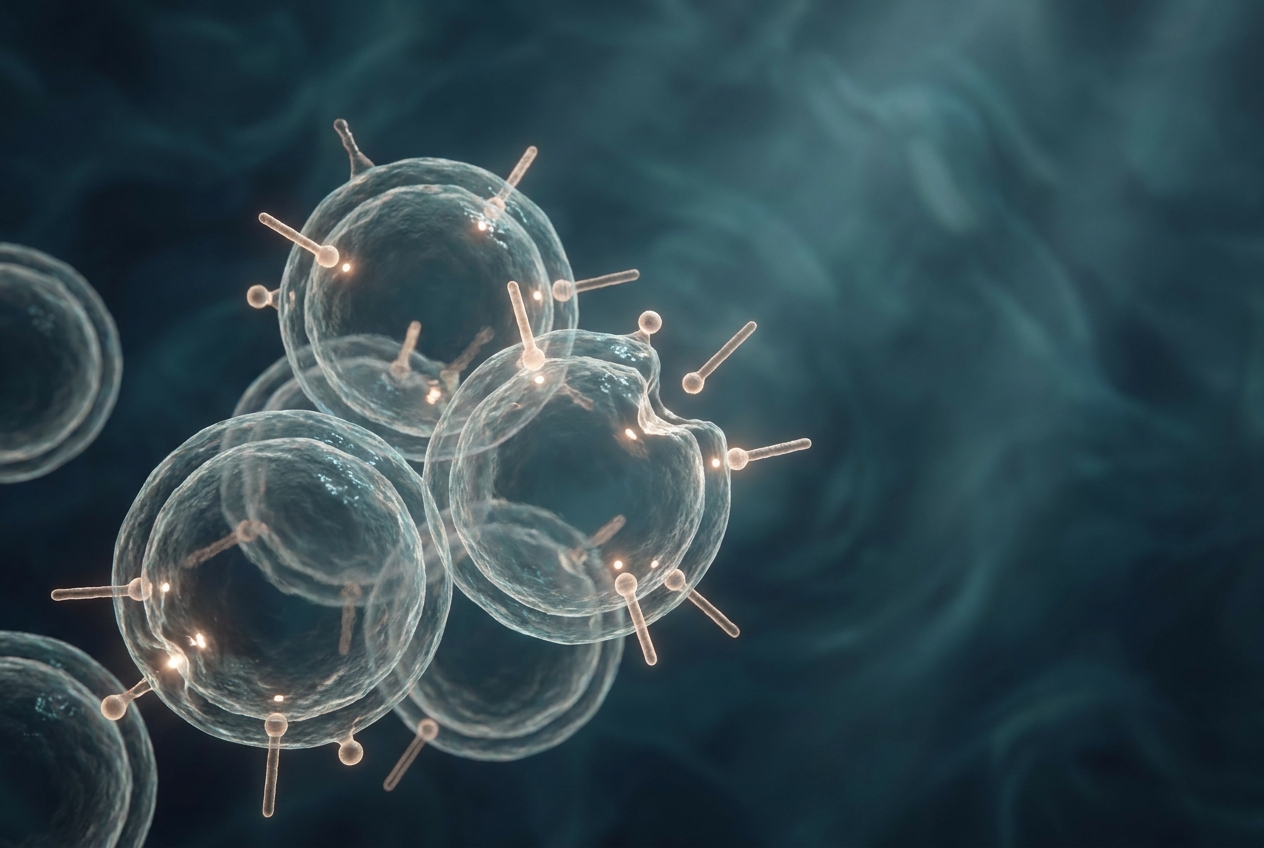
Many microorganisms, including various bacteria, fungi, and viruses, are encased in a protective outer layer composed of fats, known as a lipid envelope. This membrane is crucial for the microbe’s structural integrity and its ability to attach to host cells.
Monolaurin is amphiphilic, meaning its molecular structure features both a water-attracting end and a fat-attracting end. Because it shares structural similarities with the lipids making up these microbial envelopes, monolaurin can insert itself directly into the membrane. This monolaurin lipid envelope disruption alters the surface tension and fluid dynamics of the microbe’s protective layer. As monolaurin molecules accumulate within the envelope, the membrane may destabilize, eventually breaking apart and rendering the microbe inactive.
Broad Immune System Effects
Beyond direct physical interaction with microbes, monolaurin immune system effects extend to broader environmental modulation. By potentially neutralizing opportunistic organisms, monolaurin reduces the continuous workload placed on the immune system’s primary response cells, such as macrophages and T-cells. This reduction in systemic stress helps maintain a balanced inflammatory response, allowing the body’s natural defenses to function efficiently without becoming overactive.
The Bioavailability Factor: Lauric Acid vs. Monolaurin
One of the most common points of confusion surrounds the lauric acid vs monolaurin science. Because lauric acid is abundant in natural sources like coconut oil, it may seem logical to simply consume more of these foods to reap the benefits. However, human biology complicates this approach.
When you consume coconut oil, you ingest raw lauric acid. To obtain monolaurin, the body must enzymatically convert that lauric acid in the digestive tract. The conversion rate is notoriously low; physiological estimates suggest that only a small fraction of ingested lauric acid is successfully synthesized into monolaurin. The vast majority is simply metabolized for energy like any other dietary fat.
Looking closely at the coconut oil vs monolaurin mechanism, coconut oil acts primarily as a caloric and nutritional source, whereas isolated monolaurin acts as an active biological compound. Supplementing directly with monolaurin bypasses the body’s inefficient conversion pathway entirely. This ensures high monolaurin bioavailability, guaranteeing that an intact, active dose is delivered directly to the gastrointestinal tract where it can enter systemic circulation and begin supporting microbial balance.

Frequently Asked Questions
What is monolaurin?
Monolaurin is a naturally occurring fatty acid derivative formed from lauric acid and glycerin. It is recognized in biological sciences for its ability to support the body’s immune system and promote a healthy balance of internal microorganisms.
What is the monolaurin mechanism of action against microbes?
The primary mechanism of action involves monolaurin inserting itself into the lipid envelopes—the fatty outer membranes—of certain microorganisms. This integration disrupts the membrane’s structural integrity, which may lead to the destabilization and neutralization of the organism.
How does the coconut oil vs monolaurin mechanism differ?
Coconut oil provides raw lauric acid, which the human body must convert into monolaurin through a highly inefficient digestive process. Monolaurin supplements bypass this conversion, delivering the active, immune-supporting compound directly and reliably to the body.
How is monolaurin absorbed in the body?
When taken as a supplement, monolaurin is absorbed through the gastrointestinal tract. Because it is pre-converted, it boasts a high degree of bioavailability, allowing it to enter the lymphatic and circulatory systems efficiently to support systemic immune function.

Synthesizing the Role of Monolaurin Supplements
Supplementing with monolaurin offers a targeted, biologically efficient way to support the immune system. By directly providing a compound capable of physical lipid envelope disruption, supplementation avoids the pitfalls of relying on the body’s low conversion rate of dietary lauric acid. This ensures that the immune system receives consistent, bioavailable support for maintaining long-term microbial balance.
For those evaluating dietary additions to support their wellness routines, prioritizing supplement quality, purity, and formulation is crucial. You can explore pure, professionally formulated options to support your immune health at https://www.shopmonolaurin.com/.