
TL;DR
While monolaurin is not a proven treatment for hair loss, its biological mechanisms may support a healthier scalp environment. Its parent fatty acid, lauric acid, shows potential in inhibiting DHT—a hormone associated with hair thinning. Additionally, monolaurin’s potent antimicrobial properties help balance scalp microflora, potentially reducing the inflammation that triggers shedding.
Key Takeaways
- DHT Modulation Potential: Lauric acid, the precursor to monolaurin, is actively investigated for its ability to inhibit the 5-alpha reductase enzyme responsible for producing DHT.
- Microbiome Balance: The monolaurin antibacterial properties and antifungal capabilities may help manage yeast and bacteria on the scalp, addressing root causes of inflammation.
- Inflammation Reduction: By soothing an irritated scalp environment, monolaurin may help reduce the environmental stressors that push hair follicles into a premature shedding phase.
- Supportive, Not Curative: Monolaurin should be viewed as an educational tool for immune and microbiome support, rather than a medical cure for androgenetic alopecia.
The Complex Root of Hair Thinning
Hair loss is rarely a single, isolated event. Instead, it is usually a complex cascade of hormonal shifts, genetic predispositions, and localized inflammation. When individuals begin searching for natural ways to protect their hairline, they often encounter a maze of chemical treatments and conflicting advice.
Enter monolaurin—a highly bioavailable lipid compound derived from lauric acid, which is naturally found in coconut oil and human breast milk. While most people explore monolaurin for its immune system effects, an increasing number of individuals are curious about its applications for skin and hair health.
Understanding how this compound interacts with the body requires looking beneath the surface of the skin. Hair vitality is fundamentally tied to two major factors: the hormonal environment surrounding the follicle and the microbial ecosystem living on the scalp. To understand if monolaurin can influence hair retention, we have to explore both the lauric acid vs monolaurin science and the microscopic world of the scalp microbiome.
How Monolaurin Interacts with the Scalp
Inhibiting the DHT Pathway
To understand the hormonal side of hair loss, we must look at dihydrotestosterone (DHT). In many individuals, an enzyme called 5-alpha reductase converts free testosterone into DHT. When DHT binds to localized receptors in hair follicles, it causes them to miniaturize. This shortens the natural growth cycle until the hair eventually falls out and ceases to grow entirely, a process clinically known as androgenetic alopecia.
Lauric acid, the medium-chain fatty acid from which monolaurin is synthesized, has been studied for its potential to inhibit this exact enzyme. By blocking 5-alpha reductase, lauric acid acts as a biological gatekeeper, potentially reducing the localized production of DHT. While monolaurin itself is a metabolized form of lauric acid, the two share a close chemical relationship. Applying lauric-acid-rich compounds or utilizing monolaurin may support a more favorable hormonal environment for hair follicles, though it is important to note that these mechanisms are largely observed in isolated cellular models rather than wide-scale human clinical trials.
Balancing the Scalp Microbiome
The second major mechanism involves the monolaurin mechanism of action against microbial overgrowth. Your scalp is home to a diverse ecosystem of bacteria and fungi. Under normal conditions, this microbiome is perfectly balanced. However, when specific fungi—such as Malassezia—overpopulate, they feed aggressively on the natural sebum produced by your hair follicles.
This feeding process produces oleic acid, a byproduct that penetrates the outer layer of the skin and triggers an inflammatory response. The body reacts by increasing skin cell turnover, leading to flaking, itching, and structural damage to the hair follicle itself. Chronic inflammation forces hair out of its active growth phase (anagen) and into its resting and shedding phases (telogen).
Monolaurin is celebrated for its ability to seamlessly insert itself into the lipid envelopes of various pathogens. Because monolaurin is a lipid (fat) itself, these microbes readily absorb it into their cellular membranes. Once incorporated, monolaurin destabilizes the membrane’s structural integrity, causing it to rupture and neutralize the threat. The monolaurin antifungal properties may help keep Malassezia and other opportunistic microbes in check through this exact disruption. Think of monolaurin as a peacekeeper for your scalp: rather than harshly stripping away all bacteria like a chemical astringent, it gently disrupts the protective barriers of problematic microbes, allowing the scalp’s natural immune defenses to restore order.
Contributing Factors to Hair Loss
While understanding the mechanisms of monolaurin is helpful, it is crucial to view hair retention holistically. Your hair undergoes a continuous cycle of growth (anagen), transition (catagen), and rest (telogen). Several compounding variables dictate how quickly hair thins and how well the follicles respond to supportive interventions:
- Genetic Predisposition: Your baseline sensitivity to DHT is genetically hardwired within the androgen receptors of your hair follicles. Interventions like lauric acid may help modulate local DHT levels, but they do not alter your inherent genetic baseline.
- Scalp Inflammation: Conditions like seborrheic dermatitis, psoriasis, and chronic dandruff create a biologically hostile environment for hair growth. Chronic inflammation can prematurely force follicles out of the anagen phase.
- Nutritional Deficiencies: A lack of essential vitamins, minerals, and amino acids starves the hair follicle of the building blocks required to produce strong keratin shafts, leading to brittle, easily broken hair.
- Stress and Systemic Cortisol: High systemic stress pushes a disproportionate number of hair follicles into the telogen shedding phase simultaneously, a condition clinically diagnosed as telogen effluvium.

Frequently Asked Questions
Does monolaurin block DHT?
Research suggests that lauric acid, the parent compound of monolaurin, can inhibit the 5-alpha reductase enzyme responsible for converting testosterone into DHT. While monolaurin shares a close biochemical profile, it is primarily studied for its antimicrobial benefits rather than direct hormone modulation.
Can monolaurin cure male pattern baldness?
No, monolaurin is not a cure or medical treatment for male pattern baldness (androgenetic alopecia). It may help support a healthy scalp environment and balance local microflora, but it should be viewed as an educational and supportive tool rather than a prescription remedy.
How does monolaurin help with scalp inflammation?
The monolaurin antibacterial properties and antifungal effects allow it to disrupt the lipid envelopes of problematic bacteria and yeast on the scalp. By keeping these microbes balanced, it may help reduce the localized irritation and inflammation that often contribute to premature hair shedding.
Should I take monolaurin orally or apply it topically for hair health?
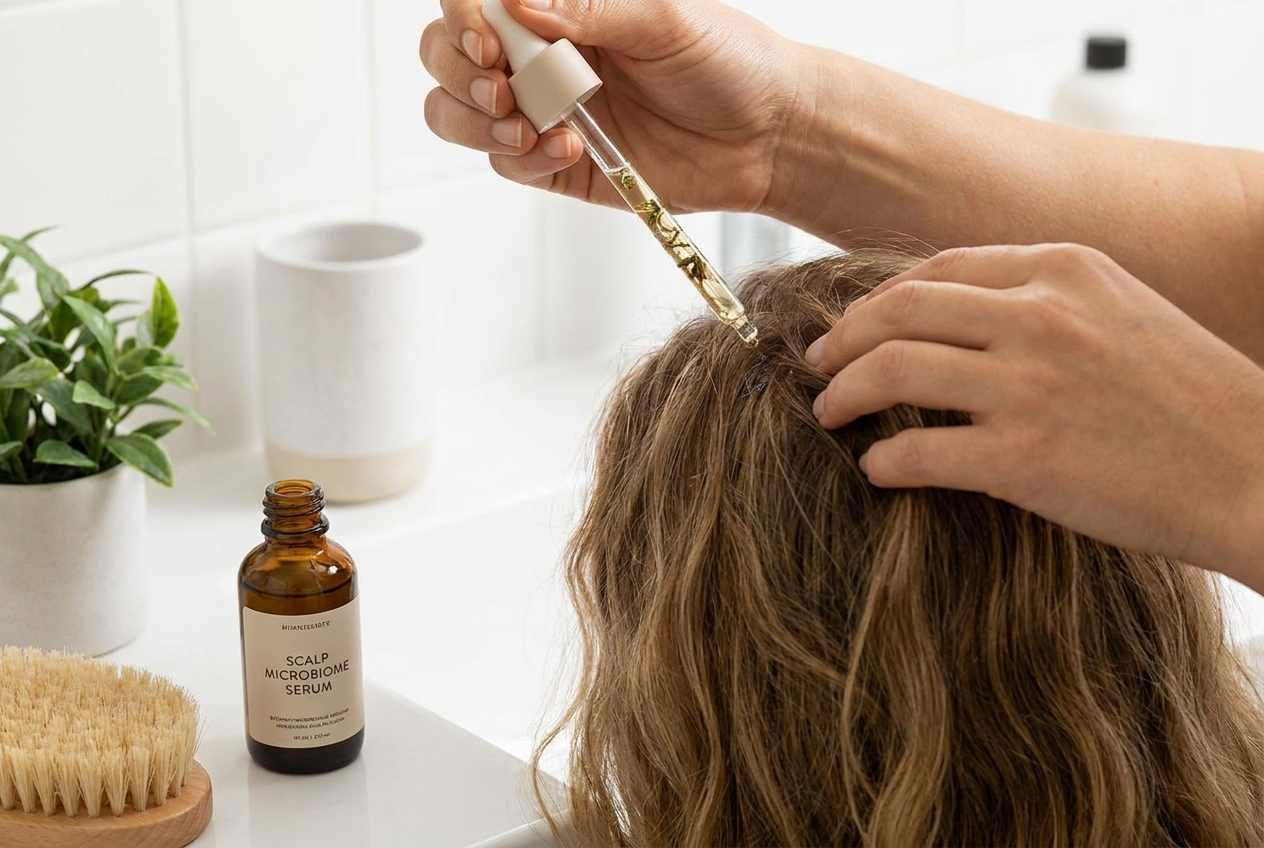
Topical applications of lauric acid and monolaurin are often explored for direct scalp benefits, as they target the local microbiome and hair follicles directly. Oral supplementation is typically utilized for systemic immune support and overall microbiome balance.
The Bottom Line on Monolaurin and Hair Health
Navigating hair loss can be frustrating, but understanding the underlying biological mechanisms provides a clearer path forward. While no single supplement can reverse genetic hair thinning, supporting the body’s natural baseline is a wise foundational strategy. By potentially modulating DHT pathways through its parent compound lauric acid, and utilizing its well-documented ability to balance microbial ecosystems, monolaurin offers a fascinating angle for supporting overall scalp health.
If you are considering adding monolaurin to your routine—whether for immune modulation, microbiome balance, or exploring its broader cellular benefits—evaluating product quality is essential. Look for clean, pure formulations backed by transparent manufacturing processes and free from unnecessary fillers. To explore high-quality, scientifically grounded options, you can visit https://www.shopmonolaurin.com/ and make an informed decision for your wellness journey.