
TL;DR
Small Intestinal Bacterial Overgrowth (SIBO) occurs when excess bacteria colonize the upper digestive tract. Emerging evidence suggests monolaurin—a natural lipid derived from coconut oil—may support intestinal balance. It actively disrupts protective bacterial biofilms and targets SIBO-related gram-negative pathogens like E. coli without broadly harming beneficial gut flora.
Key Takeaways
- Monolaurin acts directly against the Gram-negative bacteria responsible for SIBO by physically destabilizing their protective lipid envelopes.
- Scientific evidence indicates monolaurin actively dismantles bacterial biofilms in the gut, exposing hidden overgrowths to natural immune clearance.
- Unlike conventional broad-spectrum agents, monolaurin selectively targets pathogenic bacteria while preserving beneficial microbiome flora such as Lactobacilli.
- Integrating monolaurin into a daily protocol may support overall gut health by reducing inflammation and supporting intestinal barrier integrity.
Small Intestinal Bacterial Overgrowth (SIBO) creates a cascade of digestive frustrations when bacteria that normally reside in the colon migrate and multiply in the small intestine. This misplacement leads to fermentation, gas, bloating, and nutrient malabsorption. Finding balance requires more than simply altering a diet; it demands addressing the bacterial populations directly.
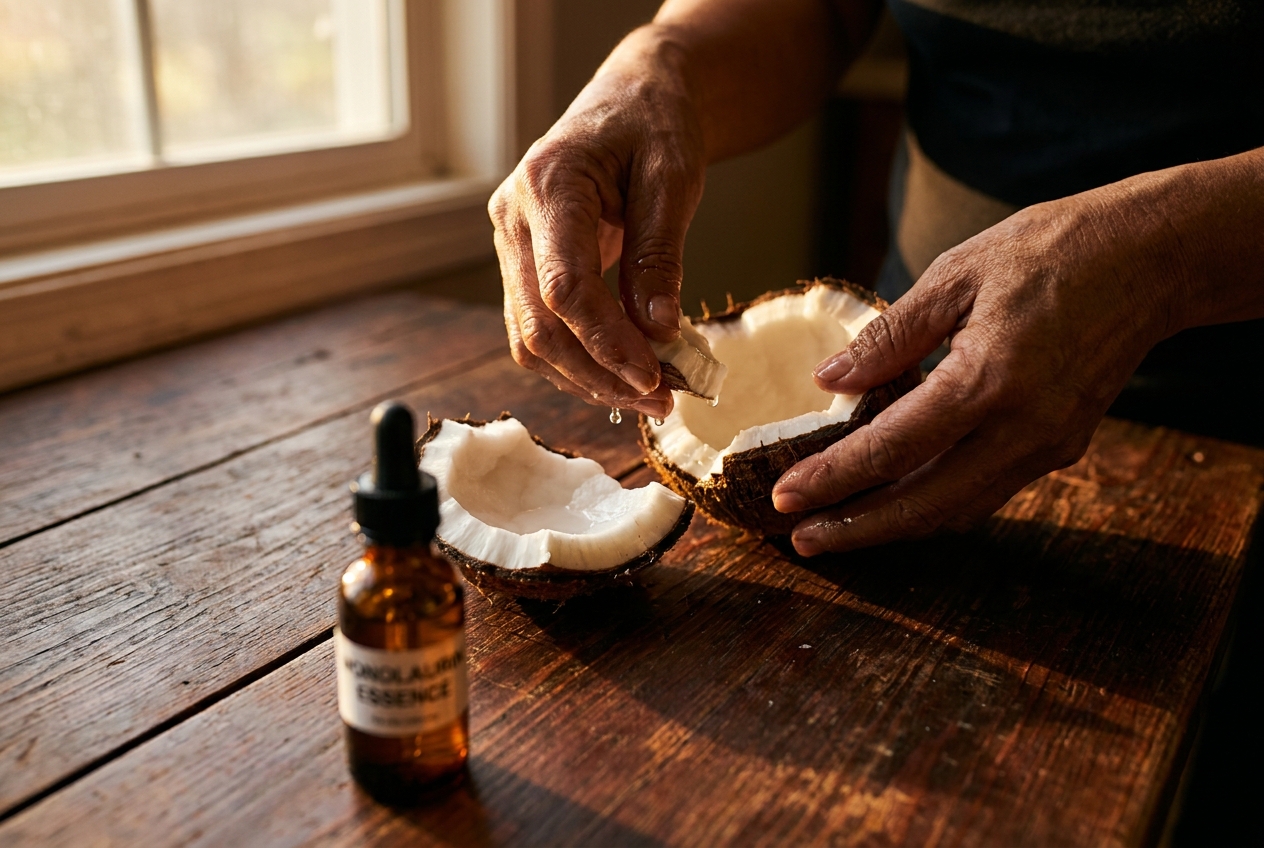
Understanding what is monolaurin requires looking at its origins. It is a monoester formed from lauric acid, a medium-chain fatty acid naturally found in coconut oil and human breast milk. When evaluating lauric acid vs monolaurin science, research shows that the conversion into monolaurin yields a substantially more biologically active compound. Known for its broad-spectrum antimicrobial properties, it functions differently than conventional broad-spectrum agents. Rather than indiscriminately clearing the digestive tract, it interacts selectively with the structural components of specific microbial threats.
Research into the microbiome reveals that SIBO is often driven by resilient bacterial colonies that shield themselves from immune detection. Addressing these overgrowths requires a compound capable of penetrating these defenses. Current scientific inquiry is examining how monolaurin might dismantle these physical barriers and support long-term digestive harmony without compromising the host’s fundamental immune response.
How Does Monolaurin Work Against SIBO Bacteria?
The persistence of SIBO often comes down to the specific types of bacteria involved and the protective mechanisms they employ. The monolaurin mechanism of action addresses these challenges through two primary biochemical pathways.
Destabilizing Gram-Negative Pathogens
Many SIBO cases are driven by an overabundance of Gram-negative bacteria, including Escherichia coli (E. coli) and Klebsiella pneumoniae. These bacteria possess a lipid membrane that protects their cellular integrity. Monolaurin acts by incorporating itself into this lipid envelope, altering its fluidity, and ultimately causing the membrane to rupture. Because this is a physical mechanism of action, it bypasses the traditional pathways that often lead to bacterial resistance.
Recent monolaurin research studies highlight this targeted efficacy. A 2025 study published in Infection and Drug Resistance found that glycerol monolaurate demonstrates significant bactericidal activity against Gram-negative bacteria, specifically inhibiting E. coli and Klebsiella pneumoniae at minimum inhibitory concentrations of 25 to 100 μg/mL (Aljuhani et al., 2025). By dismantling the protective outer layer of these pathogens, monolaurin helps reduce the active overgrowth burden.
Furthermore, oral administration of this compound actively modulates the gut environment. Research indicates that monolaurin functionally targets and clears SIBO-driving pathogens directly within the intestinal environment, while simultaneously supporting intestinal barrier function (Zhang et al., 2025). This selective pressure helps shift the gut ecosystem away from pathogenic Escherichia-Shigella strains and encourages the proliferation of commensal, beneficial bacteria. Restoring this balance is the foundational goal of effective SIBO management.
Dismantling Bacterial Biofilms
Bacteria in the gut rarely exist as free-floating single cells. Instead, they form a biofilm—a dense, sticky matrix of extracellular polysaccharides that anchors them to the intestinal wall and shields them from the immune system. This structural matrix is a primary reason SIBO can be so difficult to manage. If the biofilm remains intact, the bacterial colony can quickly regenerate even after dietary interventions.

Monolaurin actively interferes with the genetic and structural formation of these shields. Emerging evidence shows that monolaurin significantly impairs both pre-existing biofilms and new biofilm development by downregulating the expression of the icaD gene, resulting in reduced bacterial cell attachment and a dismantled structural matrix (El-Aziz et al., 2024). By halting the genetic signals required for matrix production, the compound prevents bacteria from establishing permanent strongholds in the small intestine.
For those exploring whether monolaurin can help with SIBO, this physical dismantling is crucial. Monolaurin physically degrades the structural proteins and extracellular polysaccharides of established colonies, ultimately eradicating the viable bacteria embedded within the biofilm (Alves et al., 2019). Stripping away these defenses leaves the overgrowth vulnerable, paving the way for natural immune clearance and microbiome recovery.
What Factors Affect Gut Microbiome Balance?
Achieving digestive harmony requires a comprehensive approach. While monolaurin antibacterial properties address the immediate overgrowth, several physiological factors dictate long-term balance.
- Migrating Motor Complex (MMC) Function: The MMC is the digestive system’s sweeping mechanism, pushing residual food and bacteria through the digestive tract. Impaired motility allows bacteria to stagnate and multiply in the small intestine. Supporting nerve health and ensuring adequate fasting intervals between meals keeps this motility wave active. When the MMC functions optimally, it prevents the stagnation that breeds SIBO.
- Dietary Fermentable Carbohydrates: Bacteria feed on fermentable oligo-, di-, and monosaccharides and polyols (FODMAPs). High intakes of these carbohydrates provide rapid fuel for SIBO colonies, exacerbating gas and bloating. Temporarily reducing these fermentable fibers starves the overgrowth of its primary energy source, allowing interventions like monolaurin to work with less resistance.
- Gastric Acid Production: Stomach acid acts as the first line of defense against ingested pathogens. Low stomach acid (hypochlorhydria) allows bacteria to survive transit into the small intestine. Adequate acid levels are necessary to maintain a sterile upper digestive environment and properly break down proteins before they reach the lower bowel.
- Intestinal Barrier Integrity: A compromised intestinal lining allows endotoxins to leak into the bloodstream, triggering systemic inflammation. Maintaining robust tight junctions prevents this permeability and supports the localized immune response against opportunistic bacteria. A strong barrier keeps bacteria confined to the lumen, where they belong.
Frequently Asked Questions
Does monolaurin kill beneficial gut bacteria?
Monolaurin exhibits a high degree of selectivity. Unlike broad-spectrum interventions that wipe out the entire microbiome, research suggests it primarily targets lipid-coated pathogens while largely sparing beneficial gut flora like Lactobacillus and Bifidobacterium. This selective targeting preserves the foundational bacteria required for healthy digestion.
How long does it take for monolaurin to work in the gut?
The timeline for digestive support varies based on the severity of the bacterial overgrowth and the density of existing biofilms. Many individuals begin to notice shifts in bloating and digestion within two to four weeks of consistent use. Long-term modulation of the gut microbiome is a gradual process requiring sustained support.
What is the optimal monolaurin dosage for digestion?
For those learning how to use monolaurin for optimal gut health, establishing a safe baseline is critical. Protocols generally advise an initial dosage between 500 mg and 1000 mg per day. This allows the digestive system to adapt as the compound neutralizes lipid-coated bacteria and begins reducing chronic digestive inflammation.
Can monolaurin break down bacterial biofilms?
Yes. Scientific evidence demonstrates that monolaurin effectively degrades the extracellular polysaccharides and structural proteins that make up bacterial biofilms. By downregulating the genes responsible for biofilm formation, it dismantles the protective shields used by SIBO-related bacteria, exposing them to natural clearance mechanisms.
The Bottom Line on Monolaurin and SIBO
Managing SIBO requires targeted strategies that address both active bacterial colonies and their protective infrastructure. The link between monolaurin and gut health is rooted in a scientifically validated mechanism for supporting intestinal balance. By destabilizing the lipid membranes of Gram-negative pathogens and degrading resilient bacterial biofilms, it directly confronts the primary drivers of small intestinal overgrowth.
Because it operates selectively—targeting threats without indiscriminately clearing beneficial flora—monolaurin serves as a precise tool for digestive recovery. For those looking to integrate high-quality, research-backed support into their routine, exploring options at Shop Monolaurin ensures access to formulations designed for maximum bioavailability and efficacy.
Continue Exploring
- Does Monolaurin Help With SIBO?
- How to Use Monolaurin for Optimal Gut Health
- Understanding Monolaurin’s Antibacterial Properties
References
Research Citations
- Aljuhani et al., Unexpected Efficacy of Albumin-Bound Glycerol Monolaurate Against Multidrug-Resistant Bacterial Isolates: A Time-Kill Assay Study, Infection and Drug Resistance, 2025. https://doi.org/10.2147/IDR.S502165
- Zhang et al., Complex Medium-Chain Triglycerides Mitigate Porcine Epidemic Diarrhea Virus Infection in Piglets by Enhancing Anti-Inflammation, Antioxidation, and Intestinal Barrier Function, Viruses, 2025. https://doi.org/10.3390/v17070920
- El-Aziz et al., Antimicrobial and Antibiofilm Activity of Monolaurin against Methicillin-Resistant Staphylococcus aureus Isolated from Wound Infections, International Journal of Microbiology, 2024. https://doi.org/10.1155/2024/7518368
- Alves et al., Characterisation and anti-biofilm activity of glycerol monolaurate nanocapsules against Pseudomonas aeruginosa, Microbial Pathogenesis, 2019. https://doi.org/10.1016/j.micpath.2019.03.007
Internal References
- Does Monolaurin Help With SIBO? – /articles/does-monolaurin-help-with-sibo.md
- How to Use Monolaurin for Optimal Gut Health – https://www.monolaurinsupplement.com/how-to-use-monolaurin-for-optimal-gut-health