TL;DR
Monolaurin is widely researched for its ability to support immune balance by disrupting the protective lipid envelopes of specific viruses and bacteria. The most common uses for monolaurin include managing flare-ups of herpes simplex virus (HSV), supporting gut microbiome balance in conditions like SIBO, and navigating Chronic Fatigue Syndrome (CFS).
Key Takeaways
- Monolaurin targets enveloped viruses like HSV and EBV by physically destabilizing their outer lipid layers to halt replication.
- Research suggests monolaurin promotes intestinal barrier integrity and reduces pathogenic bacteria associated with Small Intestinal Bacterial Overgrowth (SIBO).
- Individuals managing Chronic Fatigue Syndrome often utilize monolaurin to suppress latent viral activity, requiring careful titration to avoid sudden die-off reactions.
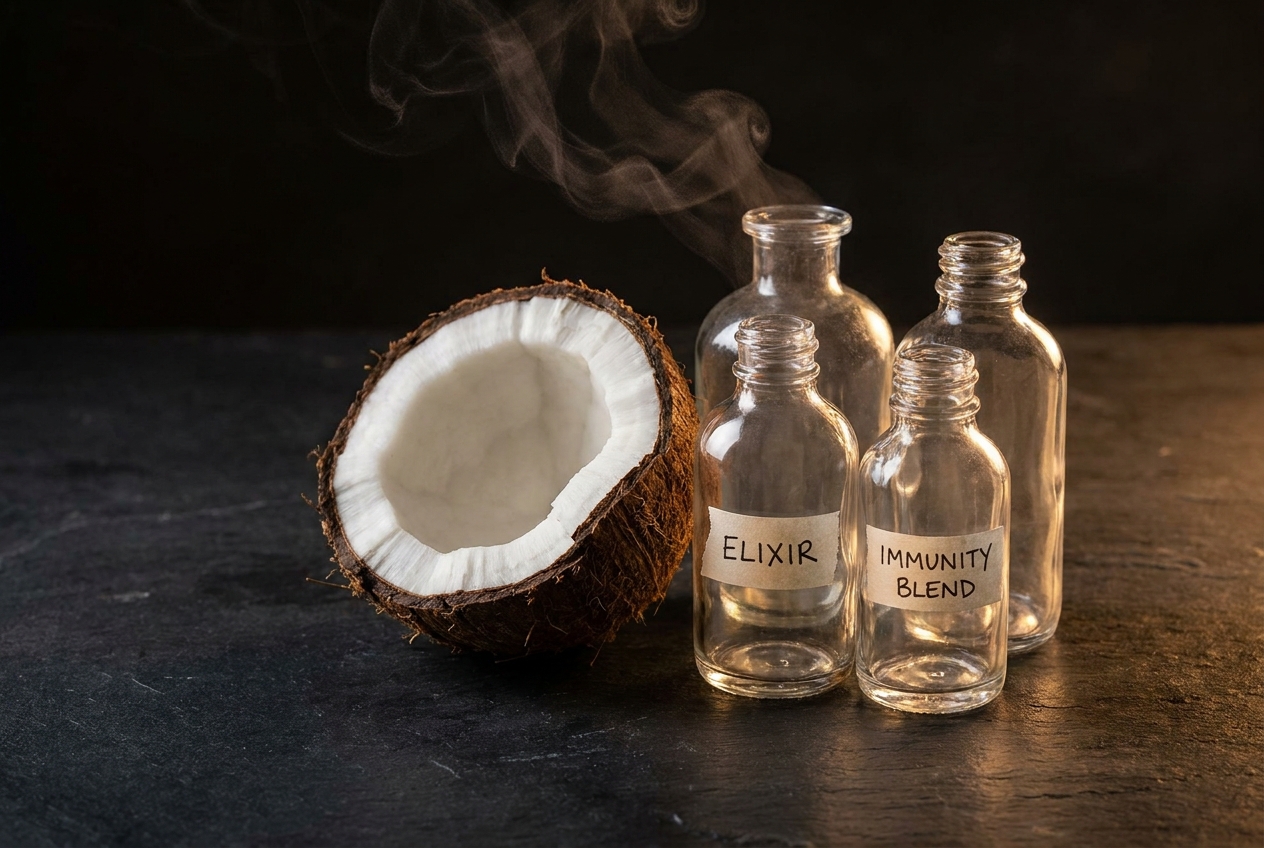
Monolaurin, scientifically known as glycerol monolaurate, is a naturally occurring lipid compound derived from lauric acid (a medium-chain fatty acid found abundantly in coconut oil and human breast milk). It is extensively researched for its capacity to modulate the immune system and maintain microbial balance without provoking resistance.
Many individuals turn to this specialized compound when seeking complementary support for chronic or recurring physiological stressors. Rather than simply suppressing immune responses, monolaurin interacts directly with the physical architecture of various pathogens. This structural approach makes it a focal point for science-based immune maintenance, particularly in the presence of enveloped viruses and dysbiotic gut flora.

How Does Monolaurin Work?
The primary mechanism driving monolaurin’s efficacy is lipid envelope disruption. Many harmful viruses and bacteria surround themselves with a protective lipid (fat) membrane, which shields them from the host’s immune system and allows them to attach to host cells.
Research published in the Journal of Fish Diseases demonstrates that glycerol monolaurate possesses potent antiviral activity by physically binding to and disrupting this viral lipid envelope. This interaction alters the physicochemical properties of the pathogen, destabilizing the virions to successfully halt infection and replication.
Because of this mechanical, destructive action, individuals often research what conditions monolaurin helps with, specifically viewing it as a complementary biological mechanism to traditional prescription antivirals. Conventional interventions often focus on blocking DNA replication inside the cell, whereas monolaurin operates externally by breaking down the pathogen before it can establish a foothold.
What Conditions Are Most Commonly Supported by Monolaurin?
Herpes Simplex Virus (HSV) and Viral Reactivation
During periods of psychological or physical stress, cortisol spikes can paralyze standard immune defenses, a biological chain reaction that frequently triggers the reactivation of the herpes simplex virus (HSV). The virus emerges from latency when the body’s defenses are compromised.

To effectively support the body during stressful periods, a dual-pronged nutritional intervention is often utilized. This involves combining L-lysine—an amino acid that starves viral replication by competing with arginine—alongside monolaurin, which structurally degrades the viral lipid envelope. This synergy targets the virus at multiple stages of its life cycle, offering a robust strategy for managing recurrent flare-ups.
Gut Dysbiosis and Small Intestinal Bacterial Overgrowth (SIBO)
Small Intestinal Bacterial Overgrowth (SIBO) is characterized by an abnormal accumulation of bacteria in the small intestine, leading to localized inflammation, bloating, and compromised nutrient absorption. In this context, monolaurin serves as a targeted antimicrobial agent within the gastrointestinal tract.
According to a 2024 study in Animals, glycerol monolaurate supplementation actively regulates gut microbiota dysbiosis. It suppresses harmful, lipopolysaccharide-producing bacterial overgrowths while simultaneously upregulating tight junction proteins (such as claudin-1). This upregulation is essential for restoring intestinal barrier integrity and repairing the permeability often referred to as leaky gut.
Furthermore, in vivo administration of glycerol monolaurate effectively reshapes the gastrointestinal microbiome. Research in the journal Viruses confirms that it drives a targeted decrease in pathogenic enteric bacteria and lowers pro-inflammatory cytokines (like IL-6 and TNF-α) in the mucosal lining, substantially mitigating localized intestinal inflammation.
Chronic Fatigue Syndrome (ME/CFS) and Epstein-Barr Virus
Chronic Fatigue Syndrome (ME/CFS) is deeply linked to the reactivation of latent pathogens, most notably the Epstein-Barr Virus (EBV). Because EBV is a lipid-enveloped virus, monolaurin is frequently used to suppress its replication, reduce systemic viral load, and support energy recovery.
However, introducing potent antimicrobials into a compromised system can cause rapid pathogen destruction. Determining how much monolaurin supplement to take for Chronic Fatigue Syndrome requires a precise, slow titration strategy. Protocols often begin at 600 mg daily to avoid Herxheimer (die-off) reactions—a severe immune response caused by a flood of endotoxins—and prevent sudden energy crashes in highly sensitive patients.
Frequently Asked Questions

Can viruses develop resistance to monolaurin?
Because monolaurin physically degrades the structural lipid membrane of the pathogen rather than targeting mutating enzymes or DNA pathways, it is highly unlikely for viruses to develop resistance. The mechanical disruption makes it broadly applicable to enveloped viruses without the typical risks of adaptation seen with conventional therapeutics.
How does monolaurin compare to conventional prescription antivirals?
Conventional antivirals generally interrupt viral replication cycles from within the host cell. Monolaurin works externally by dissolving the lipid envelope before the virus can fully attach and replicate. Evidence suggests these natural antivirals act as complementary therapies rather than direct pharmaceutical substitutes.
What is the optimal monolaurin dosage to start with?
While clinical trials vary, standard protocols suggest starting with a low dose (such as 600 mg daily) and gradually increasing based on tolerance. This step-up approach mitigates the risk of a die-off reaction as the body clears neutralized pathogens over time.
Does monolaurin harm beneficial gut bacteria?
Evidence indicates that monolaurin is highly selective, primarily targeting pathogenic bacteria that possess specific lipid membranes while largely sparing beneficial gut flora. This selectivity makes it an attractive option for managing microbial imbalances without disrupting overall microbiome health.
Evaluating Quality and Moving Forward
Integrating monolaurin into a daily regimen offers a scientifically validated method for addressing chronic viral activity and gut dysbiosis. The structural breakdown of enveloped viruses and the targeted suppression of pathogenic gut bacteria present a holistic approach to immune balance. When seeking these benefits, purity and manufacturing standards dictate efficacy. Those looking to incorporate a well-formulated option should explore high-quality monolaurin supplements to ensure optimal bioavailability and rigorous safety testing.
Continue Exploring
- What Conditions Does Monolaurin Help With? Research Insights
- How Can You Support Your Body During Stressful Periods?
- How Much Monolaurin Supplement to Take for Chronic Fatigue Syndrome (ME/CFS)?
References
Research Papers
- Potent Inhibitory Effects of Lauric Acid and Glycerol Monolaurate Against CyHV-2 and the Viral Envelope. Journal of Fish Diseases, 2024. https://doi.org/10.1111/jfd.70129
- Dietary Glycerol Monolaurate Effect on Growth Performance, Intestinal Barrier Function, and Gut Microbiota in Weaned Piglets Challenged by Lipopolysaccharide. Animals, 2024. https://doi.org/10.3390/ani15223263
- Complex Medium-Chain Triglycerides Mitigate Porcine Epidemic Diarrhea Virus Infection in Piglets by Enhancing Anti-Inflammation, Antioxidation, and Intestinal Barrier Function. Viruses, 2024. https://doi.org/10.3390/v17070920
Internal Articles
- What Conditions Does Monolaurin Help With? Research Insights. https://monolaurinandmore.com/articles/what-conditions-does-monolaurin-help-with/
- How Can You Support Your Body During Stressful Periods? https://monolaurinherpes.com/how-can-you-support-your-body-during-stressful-periods/
- How Much Monolaurin Supplement to Take for Chronic Fatigue Syndrome (ME/CFS)? https://monolaurinsupplement.com/how-much-monolaurin-supplement-to-take-for-chronic-fatigue-syndrome-mecfs/