
TL;DR
Individuals managing Chronic Fatigue Syndrome (ME/CFS) should introduce monolaurin at a conservative starting dose, typically around 600 mg daily, and titrate upward slowly. This “low and slow” approach helps mitigate the Jarisch-Herxheimer reaction, a temporary systemic worsening of symptoms caused by the rapid clearance of viral particles and accumulating cellular debris.
Key Takeaways
- Monolaurin may support the immune system by targeting the protective lipid envelopes of viruses often associated with ME/CFS triggers, such as the Epstein-Barr Virus (EBV).
- Aggressive initial dosing can trigger a severe die-off reaction, releasing endotoxins into the bloodstream faster than the host’s detoxification pathways can clear them.
- Research indicates a gradual, staged titration protocol is biologically necessary for sensitive immune systems to prevent acute systemic inflammation.
- High-quality supplementation should be evaluated carefully to ensure optimal purity; readers can explore exact product standards at Shop Monolaurin.
The Challenge of Immune Balance in ME/CFS
Myalgic Encephalomyelitis/Chronic Fatigue Syndrome (ME/CFS) is fundamentally characterized by profound energy depletion, severe immune dysregulation, and cognitive impairment. When the immune system is locked in a chronic battle against persistent or reactivated viral infections, it monopolizes the body’s finite cellular energy reserves. Modulating this hyper-aroused state requires interventions that support microbial balance without functioning as artificial stimulants that demand further energy from an exhausted host.

Monolaurin, a medium-chain fatty acid derived from lauric acid (naturally found in coconut oil and human breast milk), has emerged as a compelling educational focal point for sustainable immune support. Because it targets the structural integrity of specific pathogens rather than directly forcing host immune cells into overdrive, it presents a distinct mechanism of action. However, the precise pacing of a monolaurin protocol dictates its tolerability. Administering this dietary lipid safely requires a calculated strategy designed to respect the body’s fragile and easily overwhelmed filtration systems.
How Does Monolaurin Target ME/CFS Triggers?
The biological utility of monolaurin lies in its ability to selectively interact with lipid-coated pathogens. Many of the chronic viruses frequently implicated in ME/CFS pathogenesis, such as various human herpesviruses, rely on a protective outer lipid membrane to attach to and penetrate human host cells. Without this intact envelope, the virus cannot replicate or sustain its infectious cycle. Glycerol monolaurate functions as a broad-spectrum antimicrobial agent that restricts viral entry and inhibits multiple enveloped human-pathogenic viruses, with a foundational study published in mBio establishing its capacity to act as a potent virucidal agent.
At a microscopic level, monolaurin molecules physically incorporate themselves into this external lipid membrane. Research published in the Journal of Fish Diseases demonstrates that glycerol monolaurate exerts powerful antiviral activity against herpesviruses by physically disrupting the viral envelope structure, profoundly altering its physicochemical properties, and directly compromising virion stability.
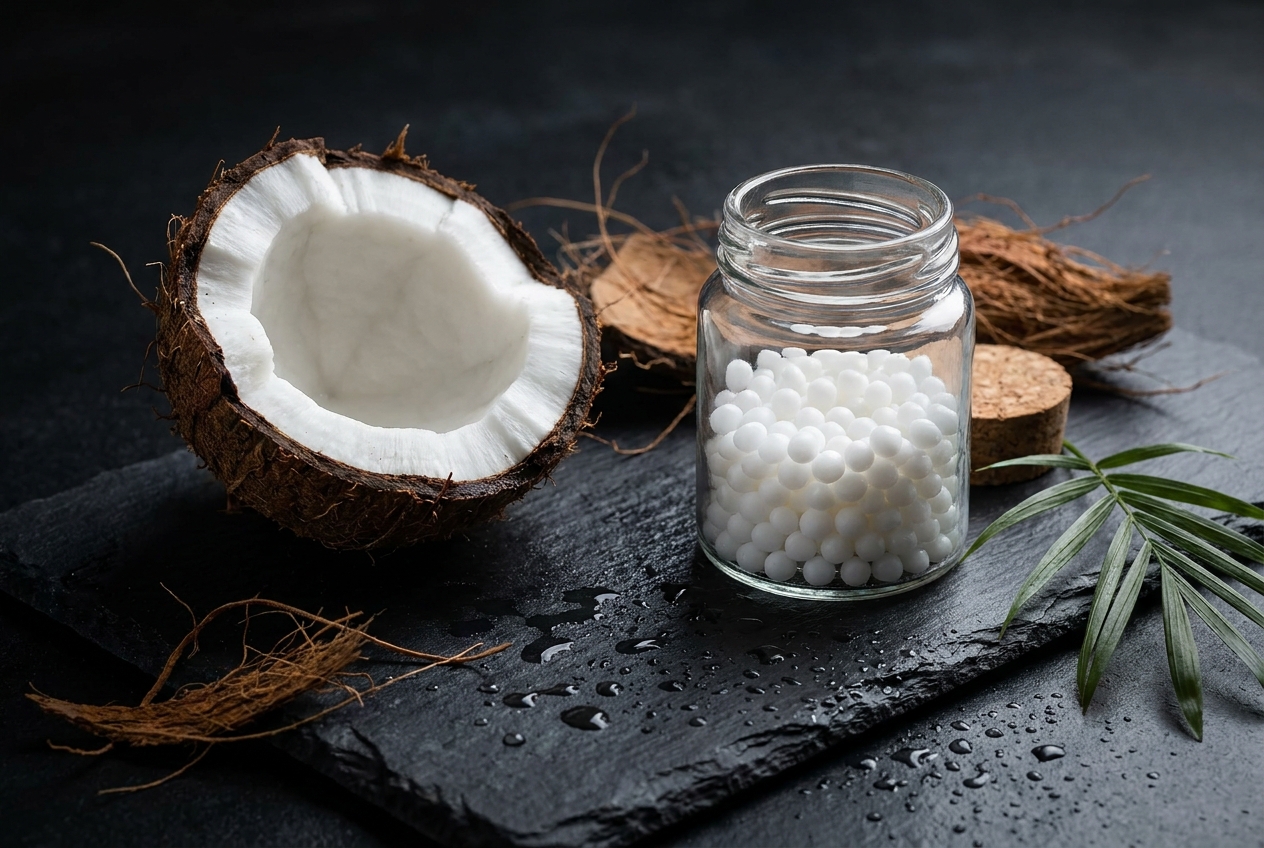
By mechanically degrading this envelope, monolaurin effectively neutralizes the viral threat. This non-stimulatory process is highly relevant for ME/CFS management. As detailed in a specialized analysis on Monolaurin for Chronic Fatigue Syndrome, this compound breaks down persistent lipid-coated pathogens without directly depleting the host’s ATP (cellular energy), making it a uniquely appropriate tool for energy-compromised individuals.
What Factors Affect Monolaurin Dosing Speed?
The rate at which an individual increases their monolaurin intake is strictly governed by the body’s capacity to clear out neutralized cellular debris.
When monolaurin successfully destabilizes viral envelopes, the immune system must still process, filter, and eliminate the resulting fragments. The lymphatic system, liver, and kidneys manage these metabolic byproducts. If systemic clearance is sluggish—a hallmark characteristic in ME/CFS—the resulting backlog of endotoxins triggers an intense cytokine response in the bloodstream.
This exact accumulation triggers the Jarisch-Herxheimer reaction, an acute, potentially severe systemic inflammatory response triggered by the rapid lysis of microbial agents following the introduction of targeted antimicrobial therapy, according to research in Case Reports in Cardiology.

Within the context of ME/CFS, this reaction manifests aggressively as flu-like symptoms, amplified cognitive dysfunction (brain fog), sudden spikes in resting heart rate, and profound muscular lethargy. This physiological bottleneck is why aggressive initial dosing can temporarily exacerbate chronic fatigue, a dynamic thoroughly explored in the clinical guide to Monolaurin Die Off Symptoms.
To safely mitigate this systemic inflammation, dosing must follow a rigidly conservative “low and slow” trajectory:
- Initial Phase: Begin with an exceedingly low baseline of 600 mg (typically one capsule or a small scoop of pure pellets) taken once daily alongside a meal.
- Observation Window: Maintain this specific baseline dose for 3 to 7 days. Monitor the body closely for any sudden increase in lethargy, joint pain, or headaches that indicate a brewing Herxheimer response.
- Gradual Titration: If the baseline dose is fully tolerated without an inflammatory flare, slowly increase the frequency to twice daily. Eventually, users work toward a target maintenance dose—often ranging between 1,800 to 3,000 mg daily, divided evenly across meals—dictated entirely by individual metabolic tolerance.
Frequently Asked Questions
What is the best starting dose of monolaurin for ME/CFS?
The widely accepted starting threshold for individuals with sensitive immune systems is approximately 600 mg daily. This low initial intake allows the body to begin neutralizing lipid-coated pathogens slowly, preventing the bloodstream from being immediately flooded with unmanageable viral debris.
How long does a monolaurin die-off reaction last?
A Jarisch-Herxheimer reaction typically resolves within three to seven days, depending heavily on the baseline efficiency of an individual’s detoxification pathways. Temporarily reducing the monolaurin dose, resting, and increasing water intake can help the kidneys and liver accelerate the clearance of these circulating endotoxins.

Can you take monolaurin with other ME/CFS supplements?
Monolaurin is a dietary lipid and generally does not interact negatively with botanical extracts, amino acids, vitamins, or minerals. However, individuals managing complex, multi-system conditions like ME/CFS should always evaluate their comprehensive supplement protocol in tandem with a qualified healthcare professional.
How long does it take for monolaurin to work?
Monolaurin exerts its structural, membrane-destroying effects on viral envelopes immediately upon absorption. However, meaningful systemic shifts in immune balance take time. Individuals generally require several weeks to months of consistent, appropriately titrated dosing to observe tangible reductions in their overall symptom load and fatigue levels.
Summary
Managing the underlying viral triggers of ME/CFS requires a meticulous, biologically respectful approach to immune support. Monolaurin offers a scientifically validated mechanism for structurally neutralizing the lipid-enveloped viruses that persistently complicate chronic fatigue. However, its effectiveness is inextricably tied to the patient’s dosing strategy.
Starting with a 600 mg baseline and titrating gradually prevents the immune system from becoming overwhelmed by the acute inflammatory cascades caused by rapid viral lysis. By understanding and respecting the body’s strict detoxification limits, individuals can utilize monolaurin as a sustainable, long-term tool for achieving systemic microbial balance. To guarantee the purity required for a sensitive immune system, evaluate rigorous, research-backed supplement options at Shop Monolaurin.
Continue Exploring
References
- Potent Inhibitory Effects of Lauric Acid and Glycerol Monolaurate Against CyHV-2 and the Viral Envelope, Journal of Fish Diseases, 2026. https://doi.org/10.1111/jfd.70129
- Glycerol Monolaurate, an Analogue to a Factor Secreted by Lactobacillus, Is Virucidal against Enveloped Viruses, Including HIV-1, mBio, 2020. https://doi.org/10.1128/mBio.00686-20
- A Case of Jarisch-Herxheimer Reaction After Ceftriaxone Initiation for Lyme Carditis in Postpartum Female, Case Reports in Cardiology, 2026. https://doi.org/10.1155/crdi/5599926
- Monolaurin for Chronic Fatigue Syndrome: Managing Serving Sizes and Immune Support. https://monolaurinbenefits.com/monolaurin-for-chronic-fatigue-syndrome-managing-serving-sizes-and-immune-support
- Monolaurin Die Off Symptoms. https://www.monolaurinandmore.com/articles/monolaurin-die-off-symptoms-the-herxheimer-herx-reaction/