
TL;DR
Research suggests the best L-lysine to monolaurin ratio is a 1:1 balance for foundational immune support. These two ingredients provide non-competing, synergistic benefits. Monolaurin physically disrupts the protective lipid envelopes of microbes, while L-lysine competitively starves viral replication of arginine. Together, they create a comprehensive defense.
Key Takeaways
- A 1:1 ratio of L-lysine to monolaurin offers a balanced, synergistic approach to supporting immune health.
- Monolaurin operates externally by disorganizing the structural lipid envelopes that protect specific microorganisms.
- L-lysine works internally through competitive inhibition, blocking the arginine necessary for certain replication cycles.
- Clinical research indicates that combining these two compounds may additionally assist in disrupting protective biofilms and suppressing pro-inflammatory pathways.
Why Combine L-Lysine and Monolaurin?
When optimizing immune health, single-ingredient approaches sometimes fall short of providing comprehensive support. The combination of L-lysine and monolaurin is frequently highlighted in monolaurin vs lysine research because they target distinctly different physiological vulnerabilities without competing for absorption.
Finding the right balance is critical for maximizing their combined efficacy. Evidence and expert formulation suggest that a 1:1 supplementation ratio provides an enhanced, well-tolerated foundation for immune maintenance. By matching them equally, the body receives a dual-action mechanism: one compound addresses microbial structure from the outside, while the other interrupts metabolic processes from the inside.

How Do L-Lysine and Monolaurin Work Together?
The secret to this combination lies in how entirely different their individual mechanisms of action are. Think of it like a castle siege—one force breaches the outer walls, while another disrupts the supply lines inside.
Monolaurin’s Disruption Mechanism
Monolaurin, a derivative of lauric acid found in coconut oil, targets the physical structure of threats. A 2020 study published in mBio demonstrated that monolaurin exhibits potent activity by physically restricting viral entry. It achieves this by disorganizing and disintegrating the lipid envelopes of viral particles across multiple families.
Imagine a soap bubble serving as a protective shield for a microbe. Monolaurin acts like a pin, structurally compromising that protective envelope and neutralizing the organism’s infectious capacity.

L-Lysine’s Competitive Inhibition
While monolaurin handles the exterior, L-lysine operates entirely on the metabolic level. Certain microorganisms require the amino acid arginine as a foundational building block to replicate.
A 2010 study published in Neuropsychiatric Disease and Treatment outlined the specific dependency of viral synthesis on host amino acid ratios. It found that viral replication is actively suppressed in L-lysine-rich and arginine-poor environments. L-lysine acts as a direct competitive inhibitor to arginine, effectively starving the virus of the critical substrate it needs to build its structures. This inside-out metabolic interference perfectly complements the outside-in lipid envelope disruption, offering synergistic, non-competing mechanisms.
The Compounded Synergistic Effect
When administered together, the benefits appear to multiply. A 2024 clinical evaluation in the Journal of Dental Sciences demonstrated marked physicochemical synergy in structural pathogen defense when L-lysine is combined with monolaurin.
The study found that when dosed together, these compounds significantly eradicate protective pathogenic biofilms, block adhesion to host epithelial cells, and even suppress the host’s release of pro-inflammatory cytokines like IL-8.

What Factors Affect the Optimal Supplement Ratio?
While a 1:1 ratio is widely considered the most balanced baseline, several physiological and dietary factors influence how this combination operates within the body.
- Dietary Arginine Intake: A diet high in arginine-rich foods (like nuts, seeds, and chocolate) can overwhelm baseline L-lysine levels. Individuals consuming high arginine diets may require a firmer adherence to a dedicated L-lysine protocol to maintain competitive inhibition.
- Digestive Tolerance: Both compounds are generally well-tolerated, but introducing high doses of any lipid (like monolaurin) rapidly can cause mild gastrointestinal upset. A balanced 1:1 ratio helps moderate lipid intake while ensuring therapeutic amino acid delivery.
- Current Immune State: For long-term maintenance, a lower, balanced daily dose of both is standard. During periods of acute immune stress, practitioners often scale the total dosage up while maintaining the proportional 1:1 balance. For more on this, you can explore why these ingredients are better together for foundational health.
Frequently Asked Questions
Can you take L-lysine and monolaurin together?
Yes, L-lysine and monolaurin can and often should be taken together. Because L-lysine is an amino acid and monolaurin is a lipid, they are absorbed through different metabolic pathways and do not compete with one another, allowing their individual mechanisms to operate synergistically.
Does L-lysine compete with monolaurin for absorption?
No, they do not compete for absorption. The digestive tract processes the amino acid (L-lysine) through protein transport channels, while the medium-chain fatty acid derivative (monolaurin) is absorbed through lipid pathways.
Should you take L-lysine and monolaurin with food?
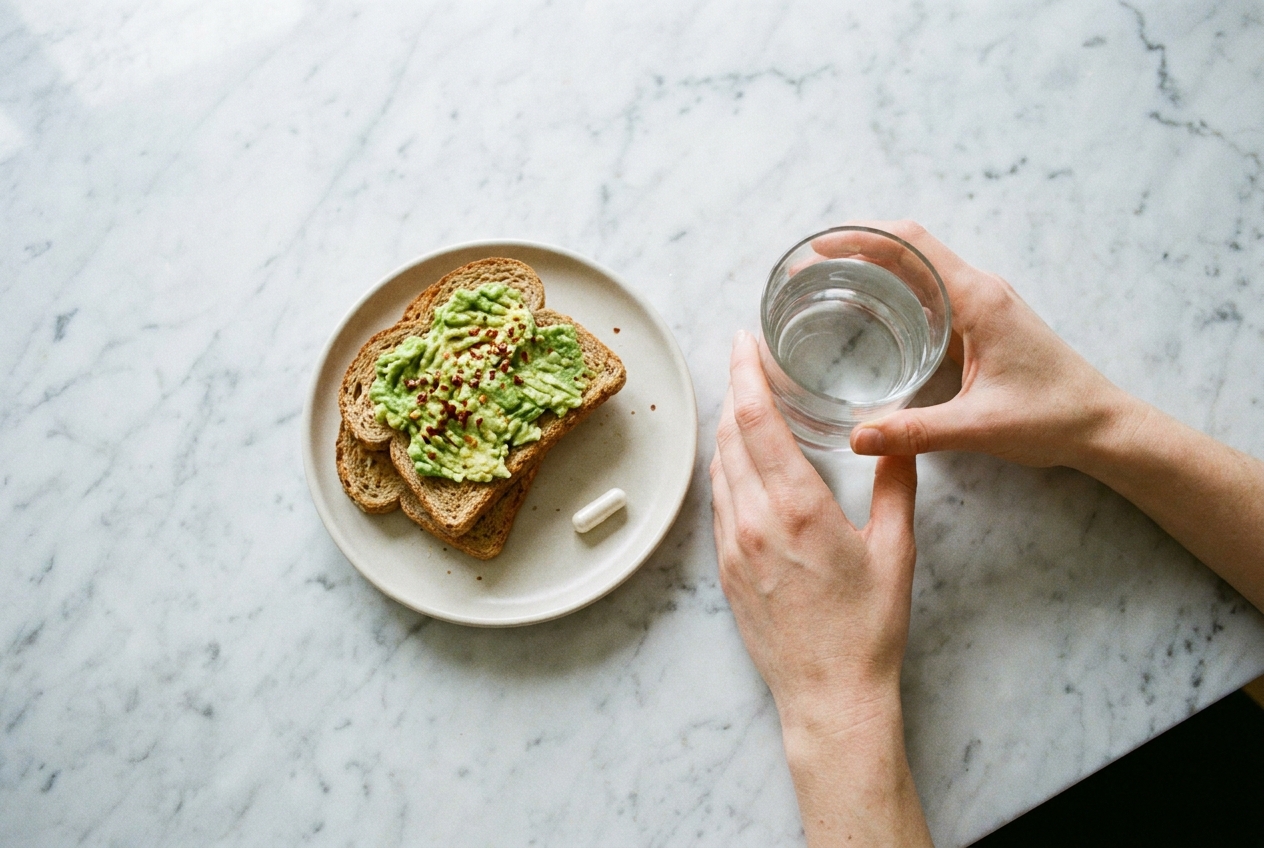
It is generally recommended to take L-lysine on an empty stomach to ensure it doesn’t compete with other dietary amino acids for absorption. Conversely, monolaurin is best taken with food to support lipid digestion. If taking a blended supplement, taking it with a light, low-protein meal offers a good compromise.
What is the scientific basis for monolaurin dosage?
The scientific basis for monolaurin dosage relies on balancing its in vitro structural disruption capabilities with human digestive tolerance. Studies demonstrate its efficacy at various concentrations, but practical human application typically starts at lower doses (e.g., 500mg to 1,000mg) to monitor tolerance before scaling up for immune support.
Evaluating Immune Support Supplements
Understanding the science behind the L-lysine and monolaurin synergy empowers you to make informed decisions about immune modulation. When evaluating supplements, look for transparent labeling, verifiable purity, and sensible formulation strategies that leverage the established 1:1 ratio without unnecessary fillers.
By leveraging the structural disruption of monolaurin alongside the metabolic interference of L-lysine, you provide your body with a sophisticated, evidence-based toolkit for microbial balance. If you are looking for standardized, high-quality formulations that respect these scientific principles, explore the well-formulated options at Shop Monolaurin.
Continue Exploring
References
- Rubin et al., Could lysine supplementation prevent Alzheimer’s dementia? A novel hypothesis., Neuropsychiatric Disease and Treatment, 2010. https://doi.org/10.2147/NDT.S14338
- Schlievert et al., Glycerol Monolaurate, an Analogue to a Factor Secreted by Lactobacillus, Is Virucidal against Enveloped Viruses, Including HIV-1., mBio, 2020. https://doi.org/10.1128/mBio.00686-20
- Puangpan et al., Effect of mouthwash containing poly l-Lysine and glycerol monolaurate on oral Helicobacter pylori relating to biofilm eradication, anti-adhesion, and pro-inflammatory cytokine suppression., Journal of Dental Sciences, 2024. https://doi.org/10.1016/j.jds.2023.10.010