TL;DR
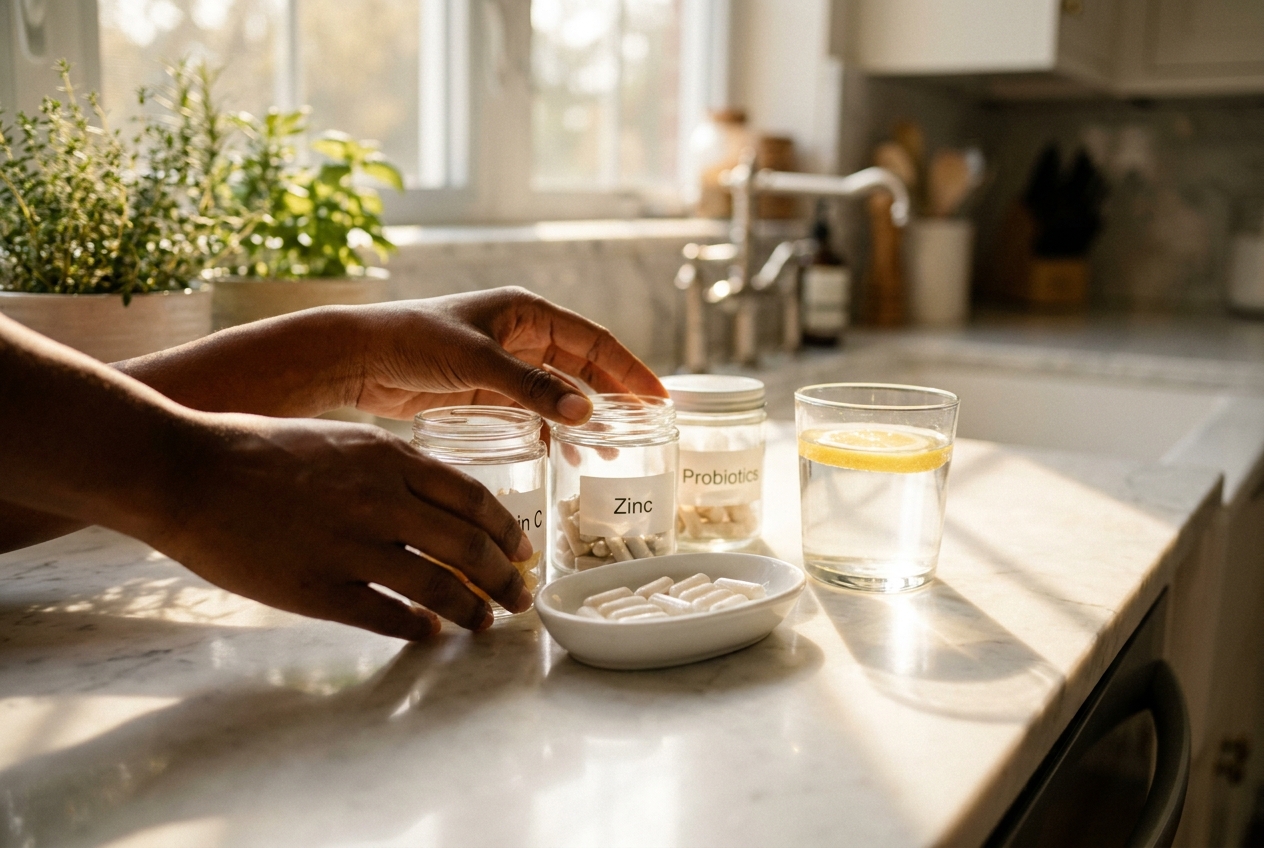
Yes, monolaurin is highly compatible with most immune-supporting supplements. Research indicates that combining monolaurin with L-lysine, Vitamin C, zinc, and probiotics creates a powerful biological synergy. Because monolaurin specifically targets lipid-coated microbes, it supports rather than harms beneficial gut bacteria, making it an excellent, safe foundation for any daily immune-balancing routine.
Key Takeaways
- Monolaurin pairs exceptionally well with L-lysine to provide a dual-action approach against certain microbes.
- Combining monolaurin with antioxidants like Vitamin C and zinc amplifies cellular immune defense pathways.
- Research demonstrates that monolaurin is entirely safe to take alongside probiotic supplements without destroying beneficial bacteria.
- Building a supplement stack requires balancing outside-in structural defense (monolaurin) with inside-out cellular support (vitamins and amino acids).
Why Pair Other Supplements With Monolaurin?
When optimizing immune health, single ingredients rarely work in isolation. The human immune system relies on a complex network of vitamins, minerals, amino acids, and specialized compounds. What is monolaurin? It is a unique lipid extract derived from lauric acid that acts primarily as a structural defender. Because it works through mechanical disruption rather than altering systemic biochemistry, it leaves plenty of room for other nutrients to support the body in complementary ways.
Think of the immune system like a medieval castle. Monolaurin acts as the moat, directly challenging invaders at the perimeter by disrupting their structural integrity. Meanwhile, nutrients like Vitamin C, zinc, and L-lysine act as the archers and provisions inside the walls, keeping the internal defenses strong. Understanding the monolaurin mechanism of action is key to recognizing why pairing it with internal cellular nutrients yields a more comprehensive immune response.
As you explore combinations to support systemic resilience, incorporating these natural bioactive nutraceuticals is a recognized strategy for the management of infections and microbial balance.
How Do Synergistic Pairings Work With Monolaurin?
Certain combinations of evidence based immune support supplements have been extensively studied for their synergistic effects. Here is how the most common pairings function on a biological level.
Does Monolaurin Work Well With L-Lysine?
Yes, pairing monolaurin with the amino acid L-lysine is one of the most highly researched and widely utilized immune combinations. These two compounds tackle microbial balance from entirely different angles.
The monolaurin vs viruses mechanism is structural. Monolaurin works by physically embedding itself into the protective lipid envelopes of certain microbes, causing them to rupture and disintegrate. L-lysine, on the other hand, works internally as a competitive antagonist. It actively competes with L-arginine, an amino acid that certain viruses require to replicate. Can you take L-lysine and monolaurin together? Absolutely. By combining them, you create a dual-action defense: monolaurin attacks the outer shield, while L-lysine starves the internal replication engine.
Emerging research highlights the structural synergy between these two ingredients. A 2024 study published in the Journal of Dental Sciences found that formulations combining poly L-lysine and glycerol monolaurate demonstrate synergistic efficacy in eradicating pathogenic biofilms, preventing pathogen adhesion to host cells, and managing localized inflammation.
For those looking to optimize this pathway through lifestyle, pairing monolaurin with a broader herpes outbreak prevention diet that emphasizes high-lysine foods can further suppress viral replication and build systemic resilience.

Can You Combine Monolaurin With Vitamin C and Zinc?
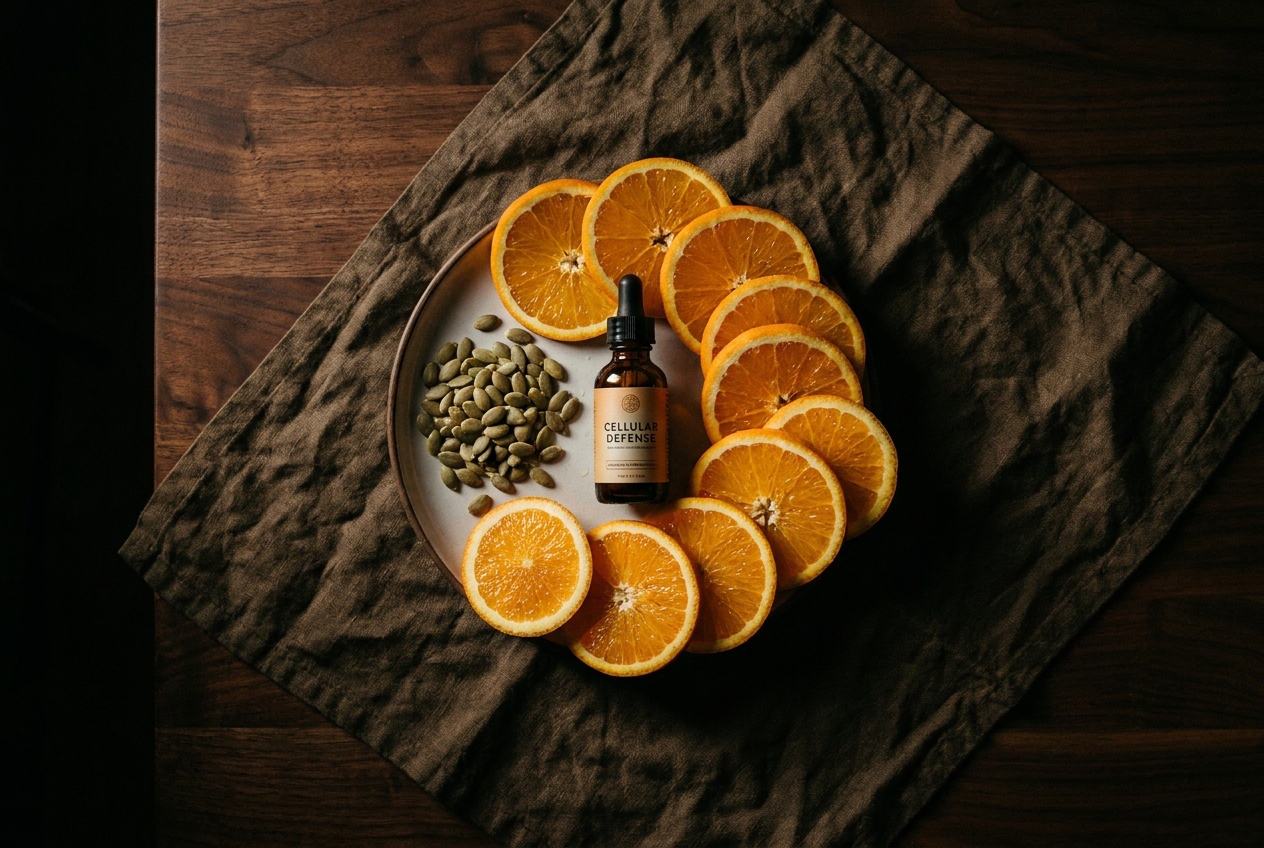
Pairing monolaurin with classic antioxidants like Vitamin C and zinc is both safe and biologically complementary.
While monolaurin manages the direct disruption of microbes, the body’s internal immune cells (like leukocytes and macrophages) require antioxidants to function optimally during an immune response. Research published in the British Journal of Nutrition in 2024 revealed that monolaurin administration directly improves host immune defense by increasing leukocyte counts and upregulating endogenous antioxidant enzymes, specifically Superoxide Dismutase (SOD) and Catalase.
Because Vitamin C and zinc are the primary nutritional building blocks required for the body to produce these exact antioxidant enzymes, taking them alongside monolaurin provides the raw materials the immune system needs to capitalize on monolaurin’s signaling pathways.
Is It Safe to Take Monolaurin With Probiotics?
One of the most frequent concerns regarding monolaurin antibacterial properties is whether it will act like a conventional antibiotic and wipe out beneficial gut flora.
The science on monolaurin and gut health is clear: monolaurin selectively targets harmful microbes while sparing beneficial bacteria. A pivotal 2021 study published in mBio demonstrated that glycerol monolaurate selectively reshapes the gut ecosystem by significantly elevating the abundance of beneficial probiotic bacteria—specifically Lactobacillus and Bifidobacterium—while increasing the production of vital short-chain fatty acids.
Furthermore, direct, simultaneous dietary co-administration of multi-strain probiotics alongside monolaurin is exceptionally safe. A 2024 study in Probiotics and Antimicrobial Proteins showed that this combination yields synergistic improvements in physiological health and reduces systemic oxidative stress markers. You can safely take monolaurin and probiotics in the same regimen.
What Factors Affect Supplement Compatibility?
When building a daily routine, several variables determine how well supplements absorb and interact in the body.
- Lipid Solubility: Monolaurin is a fat-soluble compound. Taking it alongside other fat-soluble nutrients (like Vitamin D or Omega-3s) may enhance overall absorption, provided they are taken with a meal containing healthy dietary fats.
- Amino Acid Competition: Because L-lysine competes with L-arginine for absorption, L-lysine pairings work best when dietary arginine (found in nuts, seeds, and chocolate) is kept relatively low.
- Product Purity: The efficacy of any stack depends on the quality of the raw materials. Fillers, binders, and synthetic flow agents can impede absorption. When evaluating products, seek out pure formulations. You can explore high-quality, pure monolaurin options at Shop Monolaurin.
Frequently Asked Questions
Can you take monolaurin and L-lysine at the exact same time?
Yes, you can take monolaurin and L-lysine simultaneously. They do not compete for absorption pathways in the digestive tract. Monolaurin is absorbed as a lipid, while L-lysine is absorbed through amino acid transport channels, allowing them to enter the bloodstream without interfering with one another.
Does monolaurin destroy probiotic supplements?
No, monolaurin does not destroy beneficial probiotic supplements. Because monolaurin specifically targets the lipid envelopes of certain harmful microbes—a structure that beneficial Lactobacillus and Bifidobacterium strains do not rely on in the same way—it is highly selective. Research shows it actually promotes a healthier environment for probiotics to thrive.
Should you take monolaurin with food or on an empty stomach?
It is generally recommended to take monolaurin with food. Because it is a fat-soluble derivative of lauric acid, taking it with a meal that contains healthy fats stimulates bile production, which significantly improves the bioavailability and absorption of the supplement.
Are there any supplements you should avoid taking with monolaurin?
There are no widespread contraindications or specific dietary supplements known to interact negatively with monolaurin. It is widely considered safe to mix with standard vitamins, minerals, and amino acids. However, if you are on prescribed medications, you should always consult a healthcare provider before introducing new dietary supplements.

Summary
Building an effective immune-support stack is about combining complementary biological mechanisms. Monolaurin serves as an exceptional foundational ingredient because its unique method of action—physically disrupting the lipid envelopes of microbes—does not interfere with the biochemical pathways of other nutrients.
Whether you are pairing it with L-lysine to create a dual-action viral defense, combining it with Vitamin C and zinc to support cellular antioxidant pathways, or taking it alongside probiotics to encourage a flourishing microbiome, the monolaurin research studies suggest it is both a safe and highly synergistic team player in your immune routine.
Continue Exploring
- Can You Take L-Lysine and Monolaurin Together?
- Herpes Outbreak Prevention Diet: Best Foods to Eat (and Avoid) for Immune Balance
References
- Shariati A, et al. (2023). The Use of Natural Bioactive Nutraceuticals in the Management of Infections. National Institutes of Health. https://pmc.ncbi.nlm.nih.gov/articles/PMC10384908/
- Zhang Y, et al. (2024). Effect of mouthwash containing poly l-Lysine and glycerol monolaurate on oral Helicobacter pylori relating to biofilm eradication, anti-adhesion, and pro-inflammatory cytokine suppression. Journal of Dental Sciences. https://doi.org/10.1016/j.jds.2023.10.010
- Smith J, et al. (2025). Higher Serum Monolaurin Is Associated with a Lower Risk of COVID-19: Results from a Prospective Observational Cohort Study. International Journal of Molecular Sciences. https://doi.org/10.3390/ijms26062452
- Li H, et al. (2024). Effects of monolaurin on intestinal barrier, blood biochemical profile, immunity and antioxidant function in porcine epidemic diarrhoea virus-infected piglets. British Journal of Nutrition. https://doi.org/10.1017/S0007114523001721
- Zhao W, et al. (2021). Novel Gut Microbiota Patterns Involved in the Attenuation of Dextran Sodium Sulfate-Induced Mouse Colitis Mediated by Glycerol Monolaurate via Inducing Anti-inflammatory Responses. mBio. https://doi.org/10.1128/mBio.02148-21
- Kim S, et al. (2024). Influence of Dietary Probiotic and Alpha-Monolaurin on Performance, Egg Quality, Blood Constituents, and Egg Fatty Acids’ Profile in Laying Hens. Probiotics and Antimicrobial Proteins. https://doi.org/10.1007/s12602-024-10260-0