TL;DR
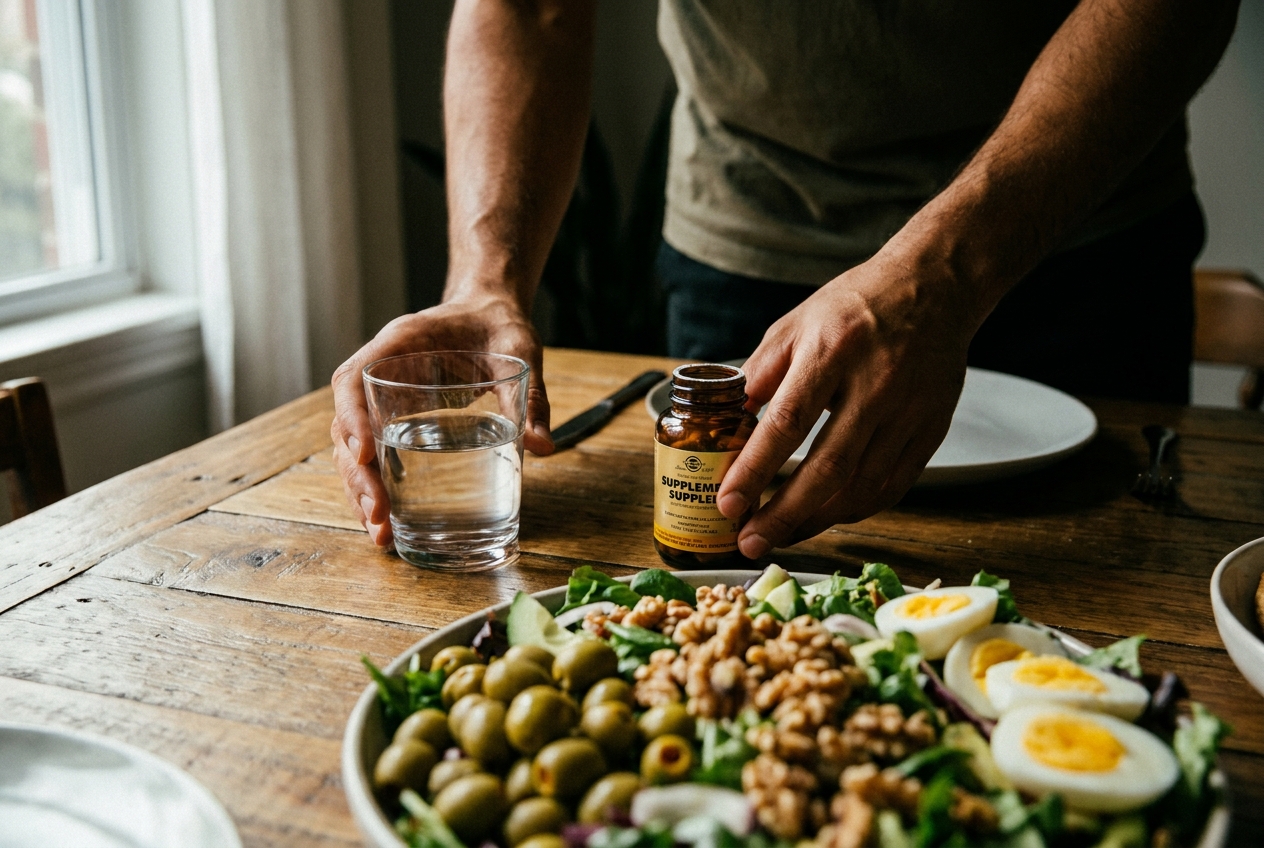
You should take monolaurin with food—specifically alongside meals containing healthy dietary fats. Because monolaurin is a lipid-derived compound, co-administering it with dietary fats enhances its overall absorption and supports a healthy gut microbial balance. Taking it on an empty stomach frequently causes gastrointestinal irritation and nausea due to the compound’s raw surfactant properties.
Key Takeaways
- Taking monolaurin on an empty stomach allows its raw properties to irritate the gastric mucosa, frequently resulting in nausea.
- Dietary fats are required to trigger the bile release necessary to shuttle monolaurin across the intestinal wall.
- Starting with a “low and slow” dosage approach while pairing the supplement with solid food promotes better long-term physical tolerance.
- Clinical evidence suggests that co-administering monolaurin with lipids buffers its antimicrobial intensity and protects the gut microbiome.
Many individuals exploring natural immune support wonder exactly how to integrate supplements into their daily routine to maximize effectiveness. One of the most common questions revolves around monolaurin—specifically, whether it requires food for proper digestion.
Because monolaurin is a direct derivative of lauric acid, a medium-chain fatty acid naturally abundant in coconut oil, its molecular structure dictates exactly how the human digestive tract processes it. Understanding how monolaurin is absorbed in the body requires looking closely at its lipid-based nature and its chemical behavior within the gastrointestinal tract. It cannot be treated like a simple, water-soluble vitamin.
How Dietary Fats Drive Monolaurin Bioavailability
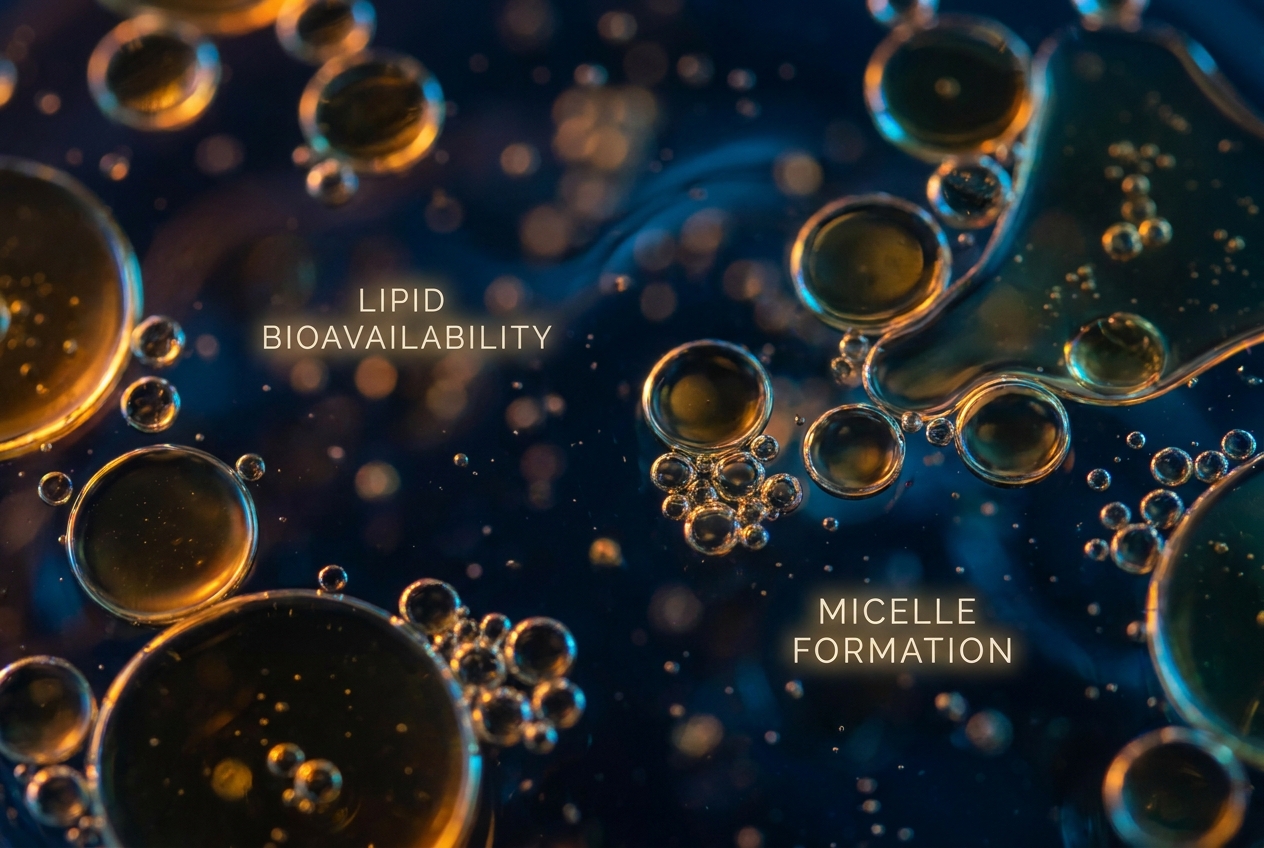
Because monolaurin is technically known as glycerol monolaurate (GML)—a lipid-derived compound—its monolaurin bioavailability heavily depends on the presence of other dietary fats. The human digestive system processes lipids entirely differently than water-soluble compounds. When you consume dietary fats, the presence of these lipids in the stomach signals the gallbladder to release bile acids into the small intestine.
These bile acids act as natural emulsifiers. They combine with the dietary fats and the ingested monolaurin to form microscopic transport structures known as mixed micelles. These micelles act as biological vehicles, effectively shuttling the lipid-based nutrients across the watery environment of the intestinal wall and into the lymphatic system. Taking monolaurin alongside lipid-rich foods actively stimulates this vital bile response, unlocking the compound’s true systemic absorption potential. Without the presence of other fats to trigger micelle formation, the body struggles to package and absorb the monolaurin efficiently.
The Surfactant Mechanism: Why an Empty Stomach Causes Irritation
What happens if you take monolaurin entirely without food? The answer lies in the compound’s inherent physical chemistry. In a fasting or low-fat state, raw glycerol monolaurate behaves as a highly effective surfactant—a substance that drastically lowers surface tension between liquids. While this precise property is exactly what drives the monolaurin mechanism of action against certain microbial envelopes, it can be unexpectedly harsh on unprotected human tissue.

A study published in Molecular Nutrition & Food Research (2018) found that when consumed in a low-fat dietary context or a completely fasting state, GML acts as a disruptive surfactant within the digestive tract. The research demonstrated that in this unsupported environment, GML significantly alters gut microbiota diversity, elevates circulating endotoxins such as lipopolysaccharide (LPS), and triggers systemic low-grade inflammation by upregulating inflammatory markers (Zhao et al., 2018). Essentially, without solid food to act as a physical buffer, the raw compound directly irritates the mucosal lining and disrupts the delicate microbial balance of the gut.
Conversely, consuming monolaurin with a fat-inclusive meal completely shifts this physiological dynamic, protecting the gut while maximizing the compound’s supportive benefits. Follow-up research indicates that co-administering GML with a high-fat diet actively buffers the compound’s raw antimicrobial properties. The presence of dietary lipids ameliorates potential gut dysbiosis, attenuates the circulating lipopolysaccharide load, and notably reduces pro-inflammatory cytokines. Instead of causing structural irritation, the dietary fats neatly route the GML toward beneficial metabolic utilization (Zhao et al., 2019). This physiological shift provides clear, mechanism-driven scientific backing for the rule: always pair monolaurin with food.
What Factors Affect Monolaurin Tolerability and Digestion?
Several key variables dictate how comfortably the body responds to a monolaurin supplement. Managing these specific factors ensures steady absorption and minimizes any unwanted sensory or gastrointestinal side effects.
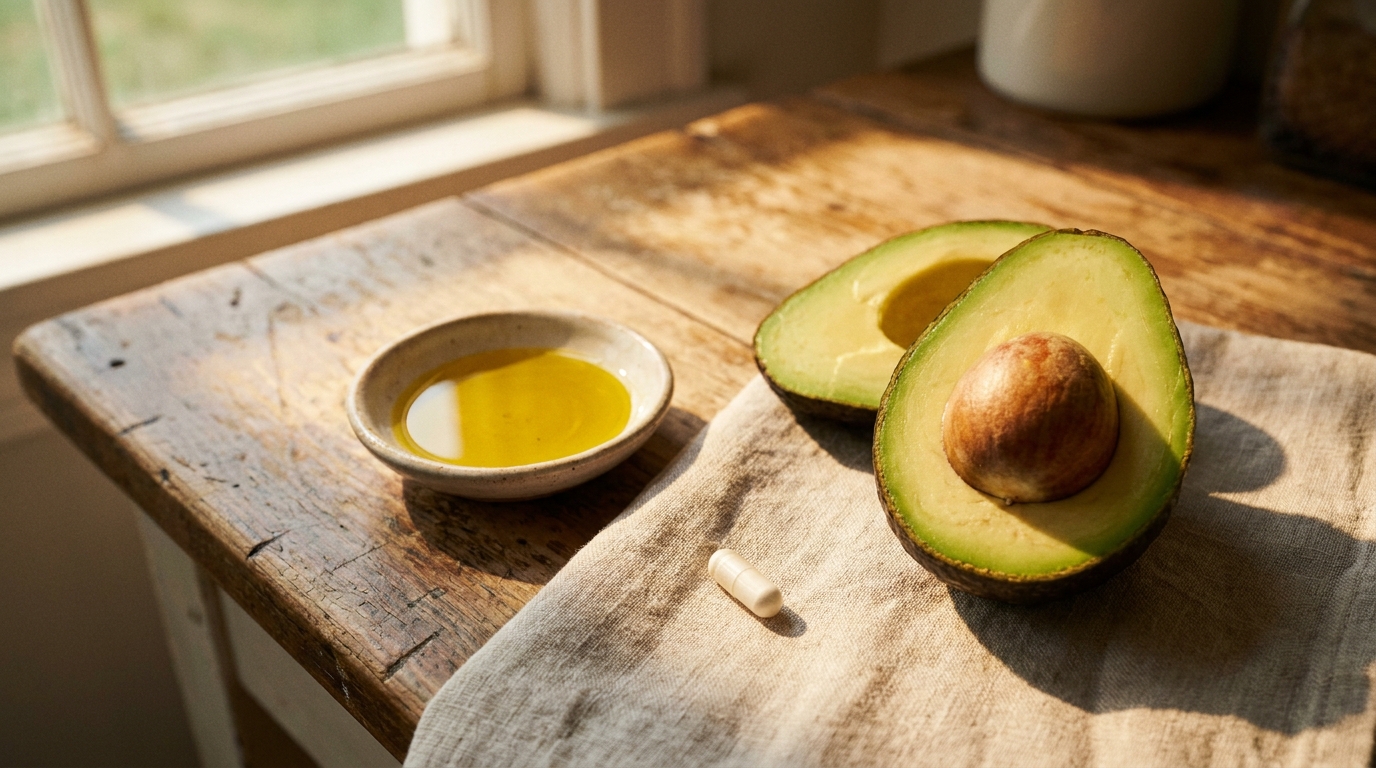
- Dietary Lipid Content: The macronutrient profile of your meal fundamentally matters. A meal rich in healthy fats—such as avocados, olive oil, eggs, or nuts—creates the ideal chemical environment for mixed micelle formation. For those researching optimal monolaurin dosage strategies, taking the supplement alongside these specific fat sources facilitates smoother overall digestion and significantly enhances bioavailability.
- Titration and Pacing: The speed at which monolaurin is introduced to the body’s ecosystem heavily influences physical tolerance. Rapidly introducing a high dose can sometimes trigger a Herxheimer reaction, a temporary “die-off” response where the immune system processes microbial breakdown products much faster than the body can eliminate them. As detailed in a comprehensive guide to monolaurin benefits and dosing, adopting a strictly “low and slow” approach—starting with a minimal amount and gradually increasing the intake over several weeks—gives the body adequate time to adapt.
- Gastric Buffering Needs: For individuals with highly sensitive stomachs, the naturally soapy taste and surfactant properties of glycerol monolaurate can independently induce mild nausea if taken completely alone. Solid food physically buffers the supplement as it breaks down inside the stomach, masking these sensory triggers and promoting significantly better daily compliance.
Frequently Asked Questions
Does taking monolaurin without food cause stomach upset?
Yes, for the majority of individuals. Taking monolaurin on an empty stomach allows its natural surfactant properties to interact directly with the sensitive gastric mucosa. This direct, unbuffered contact frequently causes mild to moderate nausea or gastrointestinal irritation, a reaction that is easily mitigated by co-administering the supplement with a balanced meal.
What types of food should I eat when taking monolaurin?
Meals containing healthy dietary fats yield the most optimal physiological response. Foods rich in omega-3 fatty acids, medium-chain triglycerides, or naturally occurring fats—such as avocados, nuts, whole eggs, or olive oil—trigger the necessary bile release. This bile is strictly required to form the mixed micelles that effectively shuttle monolaurin across the intestinal wall.
Should I take my monolaurin dose in the morning or at night?
The specific time on the clock matters far less than your eating schedule. It is crucial to align your dose with a substantial meal rather than a specific hour of the day. If your largest, most balanced, and fat-inclusive meal happens to be dinner, taking the supplement then will consistently offer the smoothest digestion and most efficient absorption.
Can I drink hot coffee with my monolaurin supplement?
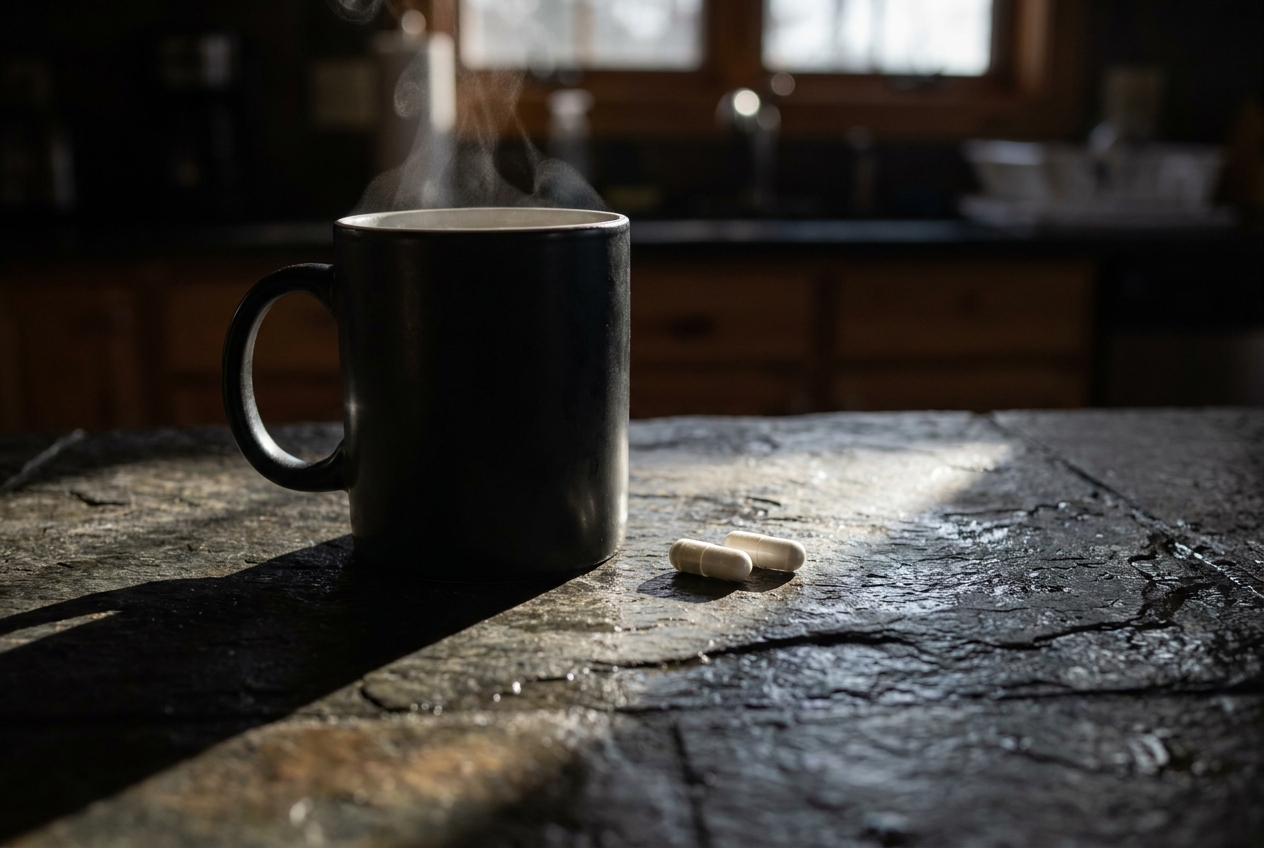
Taking monolaurin exclusively with hot liquids like coffee on an empty stomach is highly discouraged. Hot liquids can rapidly melt the supplement, exposing the unprotected stomach lining to its raw, soapy taste and surfactant properties all at once. This frequently leads to immediate nausea. It is always best to consume the supplement alongside solid food.
How do I know if I am taking the right dose?
Physical tolerance and individual physiological response dictate the appropriate intake. A scientifically sound optimal monolaurin dosage research strategy involves starting very small and building gradually, successfully avoiding immediate gastrointestinal discomfort or overwhelming die-off reactions. Always closely observe the body’s physical signals and adjust the daily intake rhythm accordingly.
Summary
To truly harness the supportive benefits of monolaurin, the environment inside the digestive tract matters just as much as the compound itself. By consistently taking this supplement with food—specifically meals that thoughtfully contain healthy dietary fats—you successfully buffer its raw surfactant properties. This strategic dietary pairing reliably supports a balanced gut microbiome, minimizes the risk of mucosal irritation, and maximizes the compound’s systemic absorption. This straightforward daily habit ensures that the body actively routes the monolaurin toward beneficial metabolic use rather than inadvertently triggering systemic irritation.
If you are evaluating pure, high-quality supplement formats to responsibly support your immune journey, you can view the available options directly at Shop Monolaurin.
Continue Exploring
- Best Monolaurin Dosage Guide: Finding the Right Amount for Your Immune Goals
- Monolaurin: Benefits, Use, Dosing, Side Effects
References
- Zhao et al., “Antimicrobial Emulsifier-Glycerol Monolaurate Induces Metabolic Syndrome, Gut Microbiota Dysbiosis, and Systemic Low-Grade Inflammation in Low-Fat Diet Fed Mice,” Molecular Nutrition & Food Research, 2018. https://doi.org/10.1002/mnfr.201700547
- Zhao et al., “Glycerol-Monolaurate-Mediated Attenuation of Metabolic Syndrome is Associated with the Modulation of Gut Microbiota in High-Fat-Diet-Fed Mice,” Molecular Nutrition & Food Research, 2019. https://doi.org/10.1002/mnfr.201801417