
TL;DR
Monolaurin is broadly recognized as safe, but starting with a high dose can cause mild digestive upset or trigger a temporary Jarisch-Herxheimer reaction (die-off symptoms) characterized by temporary fatigue or body aches. You can prevent these side effects by following a gradual dosage schedule, staying hydrated, and taking monolaurin with food to support your body’s immune clearance.
Key Takeaways
- Monolaurin safety studies confirm the compound is widely well-tolerated, though high initial doses may temporarily upset the gastrointestinal tract due to its natural lipid structure.
- Rapid pathogen destruction can trigger a Jarisch-Herxheimer reaction, an immune response to microbial waste rather than a toxic effect of the supplement itself.
- Emerging research indicates that monolaurin may actively suppress excessive inflammation, helping the body self-mitigate the severity of these die-off symptoms.
- You can prevent both gastrointestinal distress and severe immune reactions by adopting a “low and slow” dosage strategy and taking monolaurin alongside meals.
Adding a new supplement to your daily routine requires an understanding of how your body will physically and chemically respond. When evaluating monolaurin, a natural compound derived from lauric acid, people frequently report experiencing mild flu-like symptoms or an upset stomach during their first few weeks of use.
These initial responses are rarely indicators of toxicity. Instead, they reflect the body adjusting to the introduction of a potent concentrated lipid and the systemic clearance of microbial waste. Identifying the physiological difference between a true adverse reaction and a natural immunological adjustment is essential for determining your optimal dosage protocol.
Careful dosage pacing allows the body to absorb the compound without overwhelming the digestive tract or the immune system.
How Does Monolaurin Work in the Body?
Monolaurin operates primarily through physical cell membrane disruption. When the compound encounters certain lipid-coated microbes, it integrates itself into their protective outer layers. According to a 2026 study published in Pharmaceuticals, monolaurin exhibits potent bactericidal activity against persister cells by rapidly increasing membrane permeability, effectively inducing cell lysis (bursting) and neutralizing the target.
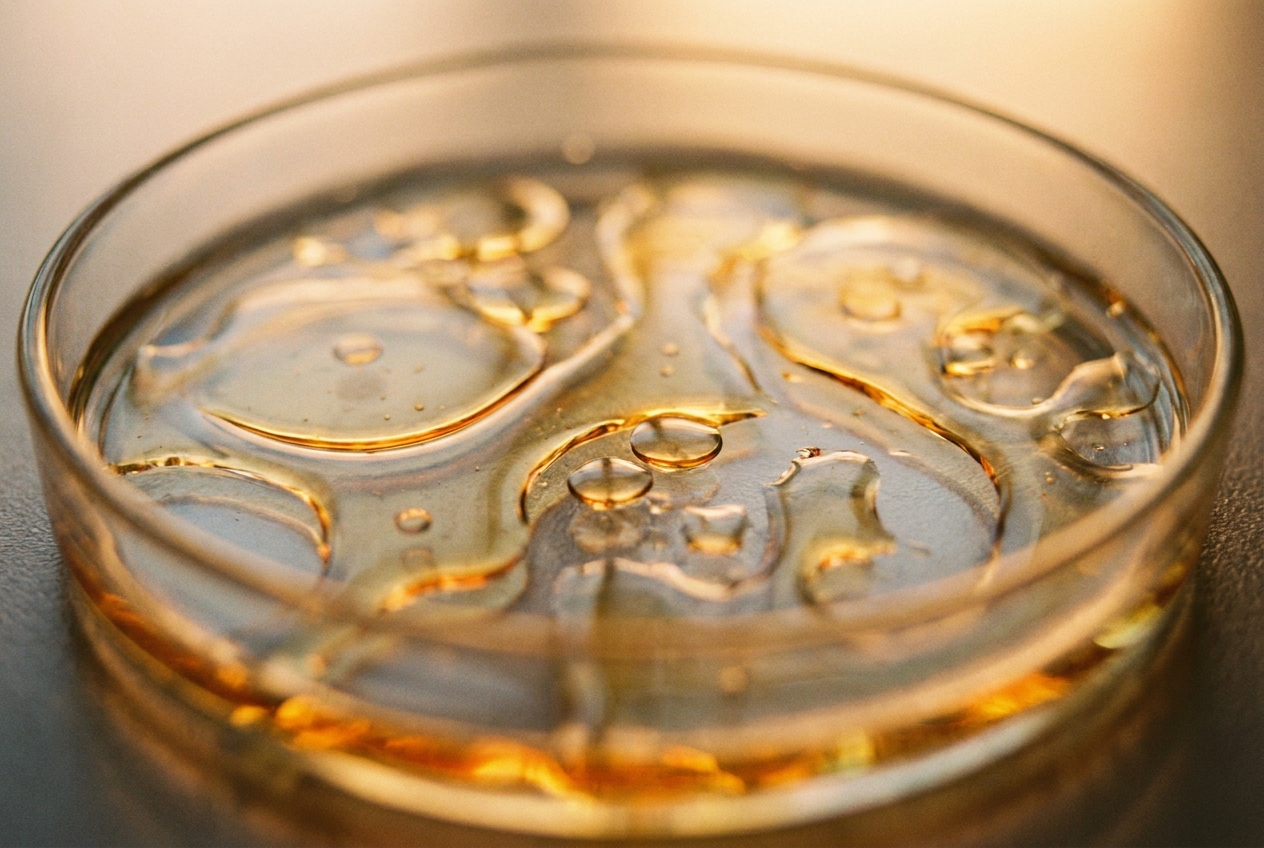
Beyond its structural effects on external pathogens, monolaurin actively influences the human immune system. A 2024 study in Poultry Science demonstrated that monolaurin and related eubiotic compounds exert direct macrophage modulation. The research reveals that monolaurin shifts macrophage behavior, downregulating pro-inflammatory markers (like IFN-γ and IL-6) while upregulating anti-inflammatory cytokines (such as IL-10 and TGF-β).
This dual-action approach means monolaurin simultaneously strips away microbial defenses while providing baseline immune system effects that encourage a balanced, rather than overactive, inflammatory state.
True Side Effects vs. The Herxheimer Reaction
Experiencing discomfort after taking monolaurin usually falls into one of two distinct categories: direct physical irritation or a systemic immune response.
True side effects are strictly localized to the digestive system. Because monolaurin is a concentrated medium-chain fatty acid (MCFA), swallowing large amounts on an empty stomach can lead to nausea, mild cramping, or diarrhea. The compound has a naturally bitter, soapy profile. Introducing a heavy dose of concentrated lipids can shock the stomach lining. For a detailed breakdown of optimal limits and safe dosing protocols, understanding if you can you take too much monolaurin relies on adhering to the “low and slow” approach and buffering the supplement with food.
When properly paced, however, these lipids are highly beneficial for the digestive tract. A 2026 study in Animals found that MCFAs actually bypass the CPT-1 metabolic bottleneck to provide rapid cellular energy. This process actively supports intestinal tight junction restoration and silences gastrointestinal sterile inflammation. The gut easily tolerates monolaurin when the dosage aligns with individual metabolic capacity.
The second category of discomfort is not a direct side effect at all, but rather an indirect immunological event known as the Jarisch-Herxheimer reaction.
What Causes a Monolaurin Die-Off Reaction?
The Jarisch-Herxheimer reaction is clinically defined as an acute, self-limiting inflammatory response that occurs after initiating antimicrobial protocols. When monolaurin successfully forces the rapid lysis of microbes, those dying cells spill their internal contents—including endotoxins and proteins—into the bloodstream.

The immune system immediately detects these foreign materials. White blood cells swarm the area to clean up the debris, triggering a temporary spike in systemic inflammation. This sudden influx of endotoxins often manifests as monolaurin die-off symptoms, which present as flu-like lethargy, body aches, mild chills, or brain fog.
Interestingly, monolaurin appears equipped to help the body manage this exact biological stress. A separate 2024 investigation published in Poultry Science found that monolaurin actively suppresses the production of reactive oxygen species (ROS) and NF-κB activation triggered by lipopolysaccharides (LPS)—the very endotoxins released during bacterial die-off. By blunting this inflammatory cascade, monolaurin inherently self-mitigates the severity of the Herxheimer reaction it initially triggers.
How to Prevent and Manage Monolaurin Side Effects
Minimizing discomfort requires controlling both the rate of lipid absorption in the stomach and the rate of endotoxin release in the bloodstream.
- Implement a gradual dosage curve: Starting with a high dose guarantees rapid cell lysis, which floods the liver with more endotoxins than it can process simultaneously. Begin with a minimal dose (e.g., one scoop of pellets or a single capsule) and hold that level for several days before increasing.
- Take the supplement with food: Binding the MCFAs to a solid meal dilutes the concentration hitting the stomach lining at any single moment. This prevents nausea and improves the pharmacokinetic absorption of the lipids.
- Support clearance pathways: The liver and kidneys process the microbial waste responsible for die-off symptoms. Increasing water intake provides the necessary fluid volume to flush these filtered endotoxins out of the body efficiently.
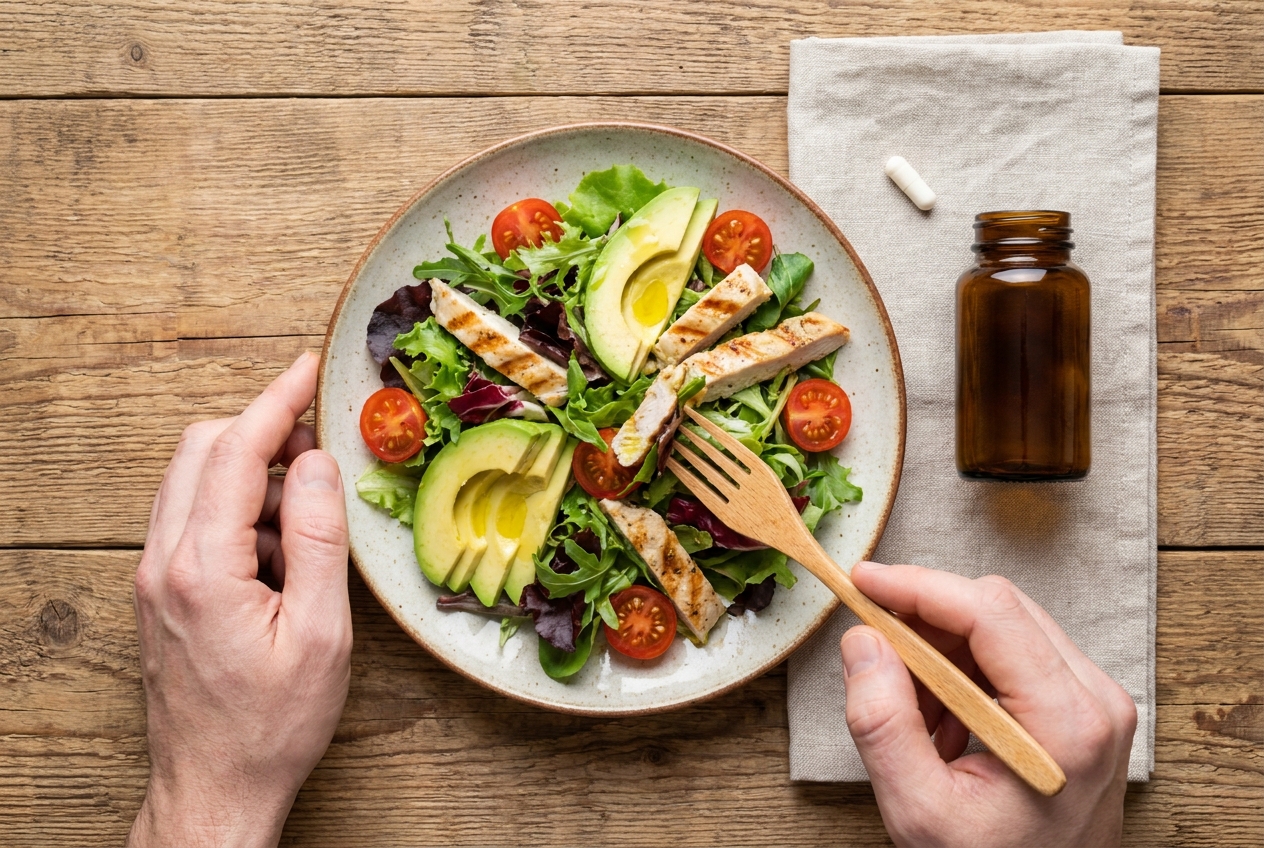
For individuals seeking to evaluate high-quality supplements and establish a consistent routine, sourcing clean, additive-free products is crucial. You can review appropriate product options directly at Shop Monolaurin.
Frequently Asked Questions
Is monolaurin safe scientifically?
Yes. Monolaurin holds Generally Recognized as Safe (GRAS) status from the FDA. Monolaurin safety studies demonstrate that it is non-toxic to human tissue and well-tolerated by the liver and kidneys, provided it is consumed within standard dietary thresholds.
How long do monolaurin die-off symptoms last?
A Jarisch-Herxheimer reaction is self-limiting and temporary. Depending on the individual’s baseline microbial load and the efficiency of their immune clearance, symptoms typically resolve within three to seven days as the body flushes out the endotoxins.
Should I take monolaurin with food?
Taking monolaurin with meals is highly recommended. Food buffers the stomach from the concentrated lipids, preventing nausea, while simultaneously slowing down the digestive process to allow for more steady, optimal monolaurin absorption into the bloodstream.
Can viruses develop resistance to monolaurin?
Current scientific evidence suggests resistance is highly unlikely. Because monolaurin’s mechanism of action involves physical disruption of lipid envelopes rather than targeting specific mutating proteins or enzymes, microbes cannot easily mutate around this fundamental structural vulnerability.
Summary
Navigating monolaurin possible side effects requires distinguishing between normal digestive adjustments and the immunological cleanup process. While taking a high dose of this concentrated lipid on an empty stomach may cause localized nausea, systemic flu-like symptoms are almost always the result of a Jarisch-Herxheimer reaction. This die-off effect indicates that the immune system is actively clearing endotoxins released by neutralized microbes.
By pacing your dosage slowly, taking the supplement alongside meals, and staying hydrated, you can effectively manage and prevent these responses. The scientific literature supports monolaurin not only as an agent of physical cell membrane disruption but also as an immune modulator that helps the body naturally suppress the very inflammation caused by microbial die-off.
Continue Exploring
References
- Various Authors. “Monocaprin, Monolaurin, and Monomyristin Eradicate Staphylococcus aureus Persister Cells Through Membrane Disruption.” Pharmaceuticals, 2026. https://doi.org/10.3390/ph19050690
- Various Authors. “Screening and selection of eubiotic compounds possessing immunomodulatory and anti-Clostridium perfringens properties.” Poultry Science, 2024. https://doi.org/10.1016/j.psj.2024.103911
- Various Authors. “Immunometabolic Reprogramming by Black Soldier Fly Lipids in Monogastric Nutrition: From Receptor Crosstalk to the Immune-Energy Sparing Effect.” Animals, 2026. https://doi.org/10.3390/ani16101501
- Various Authors. “Jarisch-Herxheimer Reaction.” StatPearls – NCBI Bookshelf. https://www.ncbi.nlm.nih.gov/books/NBK557820/
- Various Authors. “Glycerol monolaurate regulates apoptosis and inflammation by suppressing lipopolysaccharide-induced ROS production and NF-κB activation in avian macrophages.” Poultry Science, 2024. https://doi.org/10.1016/j.psj.2024.103870