
TL;DR
While lauric acid is a common medium-chain fatty acid found naturally in coconut oil, monolaurin is a specialized derivative created by bonding lauric acid to a glycerol molecule. The human body converts almost no dietary lauric acid into monolaurin. Because of this structural evolution, monolaurin demonstrates an exponentially greater ability to support immune function and balance microbial environments than raw lauric acid.
Key Takeaways
- Lauric acid is a basic building block, while monolaurin is a complex lipid compound derived from that building block.
- The human digestive tract is highly inefficient at converting dietary lauric acid from foods like coconut oil into functional monolaurin.
- Clinical evidence shows monolaurin possesses hundreds of times more potency against certain bacteria than standard lauric acid.
- Achieving the systemic immune benefits associated with monolaurin requires direct supplementation rather than consuming high-lauric-acid foods.
The overlapping terminology between lauric acid and monolaurin frequently causes confusion, especially when discussing natural immune support. Many health resources point out that coconut oil is roughly 50% lauric acid, leading people to believe that eating coconut oil delivers the exact same benefits as taking a monolaurin supplement. However, the science behind how these two compounds function reveals a massive gap in how the body processes them.
Understanding the exact chemical relationship between these two lipids is essential for making informed decisions about immune balance. The distinction comes down to molecular structure, biological conversion rates, and the vast difference in how they interact with microbes.
How Do Lauric Acid and Monolaurin Differ in Structure?
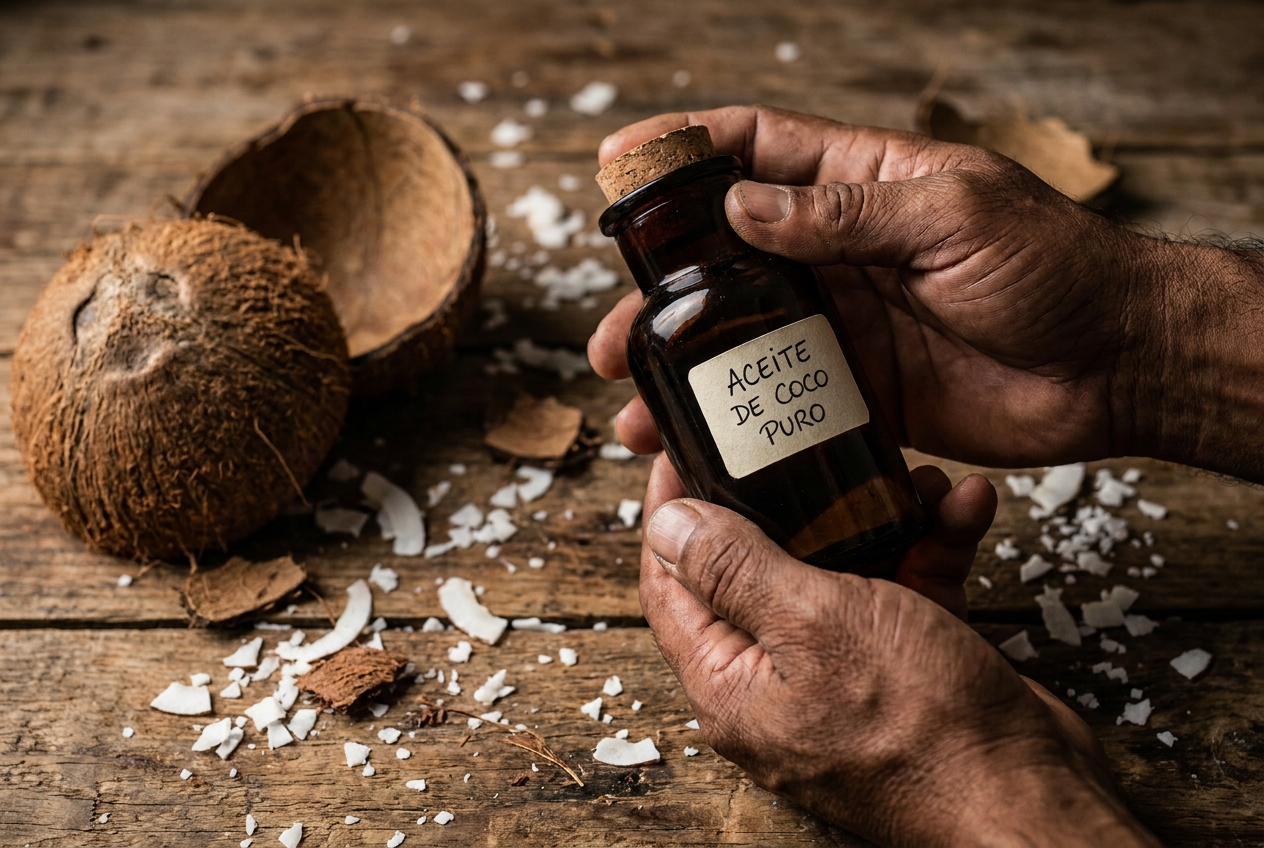
Lauric acid, scientifically known as dodecanoic acid, is a 12-carbon medium-chain fatty acid (MCFA). In nature, it exists as a saturated fat found in high concentrations in coconut oil, palm kernel oil, and human breast milk. As a basic fatty acid, lauric acid primarily serves as a dense source of cellular energy.
Monolaurin, or glycerol monolaurate, is an entirely different chemical entity. It is a monoglyceride. To create monolaurin, a single molecule of lauric acid must be physically bonded to a glycerol backbone. This biochemical process is known as direct esterification. Exploring what the natural sources of monolaurin are clarifies that lauric acid acts merely as a precursor component. It requires complex enzymatic restructuring by lipases to transform into an active, immune-modulating compound.
This structural addition of glycerol changes everything about how the molecule behaves. The glycerol attachment makes monolaurin amphiphilic, meaning it has both water-loving (hydrophilic) and fat-loving (lipophilic) properties. This unique trait is what allows monolaurin to interact with the lipid envelopes of certain microorganisms in ways that raw lauric acid cannot.
Can Your Body Convert Lauric Acid into Monolaurin?
The theoretical relationship between these two compounds relies on the assumption that the human digestive system seamlessly converts ingested lauric acid into monolaurin. In reality, the body faces a severe biological bottleneck during digestion.
When a person consumes lauric acid from coconut oil, the majority of it travels directly to the liver through the portal vein. In the liver, the body prioritizes using lauric acid for energy production via a process called hepatic oxidation. Because it burns so efficiently as fuel, very little lauric acid remains available for enzymatic conversion into monolaurin.
Research confirms this metabolic limitation. A study published in the Journal of Medicinal Food investigated the biological conversion rate of lauric acid to monolaurin in vivo. The researchers found that lauric acid is biologically converted to monolaurin in extremely small, almost negligible quantities. Consequently, the study revealed that consumption of high-lauric acid substances provided virtually no protective survival benefit (0–16%) against systemic infection, whereas direct monolaurin administration yielded significant systemic protection with 50–70% survival rates (Shilling et al., 2013).
This evidence answers the common question regarding whether you can get enough monolaurin from eating coconuts. The hepatic oxidation bottleneck means that relying on dietary lauric acid fails to generate the therapeutic concentrations of monolaurin necessary for immune support.

Does Monolaurin Work Better Than Lauric Acid?
When comparing the monolaurin vs bacteria mechanism against lauric acid’s natural capabilities, monolaurin consistently demonstrates vastly superior efficacy. While lauric acid does possess mild antimicrobial properties, it lacks the specific molecular structure required to easily destabilize microbial membranes.
Monolaurin’s amphiphilic structure allows it to insert itself directly into the protective lipid envelopes surrounding certain viruses and bacteria. Once inserted, it disrupts the membrane’s integrity, preventing the microbe from attaching to host cells and replicating.
The difference in potency is not subtle. A rigorous study published in PLoS One tested the comparative antibacterial activity of both compounds. The research demonstrated that glycerol monolaurate (monolaurin) exhibits at least 200 times greater bactericidal efficacy than lauric acid against major Gram-positive pathogens, including Staphylococcus aureus and Streptococcus pyogenes (Schlievert et al., 2012).
Because of this exponential difference in potency, scientists and researchers focus their attention on monolaurin bioavailability and clinical applications, rather than studying lauric acid for direct microbial balance.

Frequently Asked Questions
Does coconut oil contain monolaurin?
No. Coconut oil contains high amounts of lauric acid, which is the precursor to monolaurin, but it contains virtually zero actual monolaurin. The body must attempt to convert the lauric acid into monolaurin after digestion, a process that is highly inefficient and produces negligible amounts of the compound.
Is lauric acid harmful to the body?
Lauric acid is completely safe and serves as an excellent source of clean metabolic energy. However, while it is a healthy medium-chain fat that supports overall metabolic function, it does not provide the targeted immune system effects or microbial balancing properties associated with monolaurin.
Should I take a monolaurin supplement or eat coconut oil?
If your goal is systemic immune support and microbial balance, research indicates that direct monolaurin supplementation is required. Eating coconut oil is beneficial for dietary fat and energy, but the liver will burn the lauric acid for fuel long before it can be converted into therapeutic levels of monolaurin.
How do I evaluate a quality monolaurin product?
When selecting a natural supplement for immune support, prioritize products that offer pure glycerol monolaurate without unnecessary fillers. Always look for transparent dosing guidelines, clean manufacturing processes, and clear scientific backing. For a vetted, high-quality option, you can explore products at Shop Monolaurin.
Summary
Understanding the lauric acid vs monolaurin science comes down to recognizing the difference between a raw material and a refined, functional tool. Lauric acid is a highly beneficial dietary fat that provides excellent cellular energy, but it lacks the specialized molecular structure required to actively dismantle microbial membranes.
Because the human liver heavily oxidizes dietary lauric acid for fuel, eating coconut oil cannot overcome the body’s conversion bottleneck. To achieve the specific immune-modulating and broad-spectrum antimicrobial benefits validated by research, direct monolaurin supplementation remains the scientifically supported approach.

Continue Exploring
References
- Shilling, M., Matt, L., Rubin, E., Visitacion, M. P., Haller, N. A., Grey, S. F., & Woolverton, C. J. (2013). Antimicrobial effects of virgin coconut oil and its medium-chain fatty acids on Clostridium difficile. Journal of Medicinal Food. https://doi.org/10.1089/jmf.2012.0066
- Schlievert, P. M., Peterson, M. L. (2012). Glycerol monolaurate antibacterial activity in broth and biofilm cultures. PLoS One. https://doi.org/10.1371/journal.pone.0040350
- Can You Get Enough Monolaurin From Eating Coconuts?
- What Are the Natural Sources of Monolaurin?